Iran Squeezes the World's Most Critical Shipping Lane
How this was made Verified AI
Every Intellegix briefing is generated from that day's broadcast and run through automated checks before it publishes — with a human paged on any flag. Here is the trail for this edition.
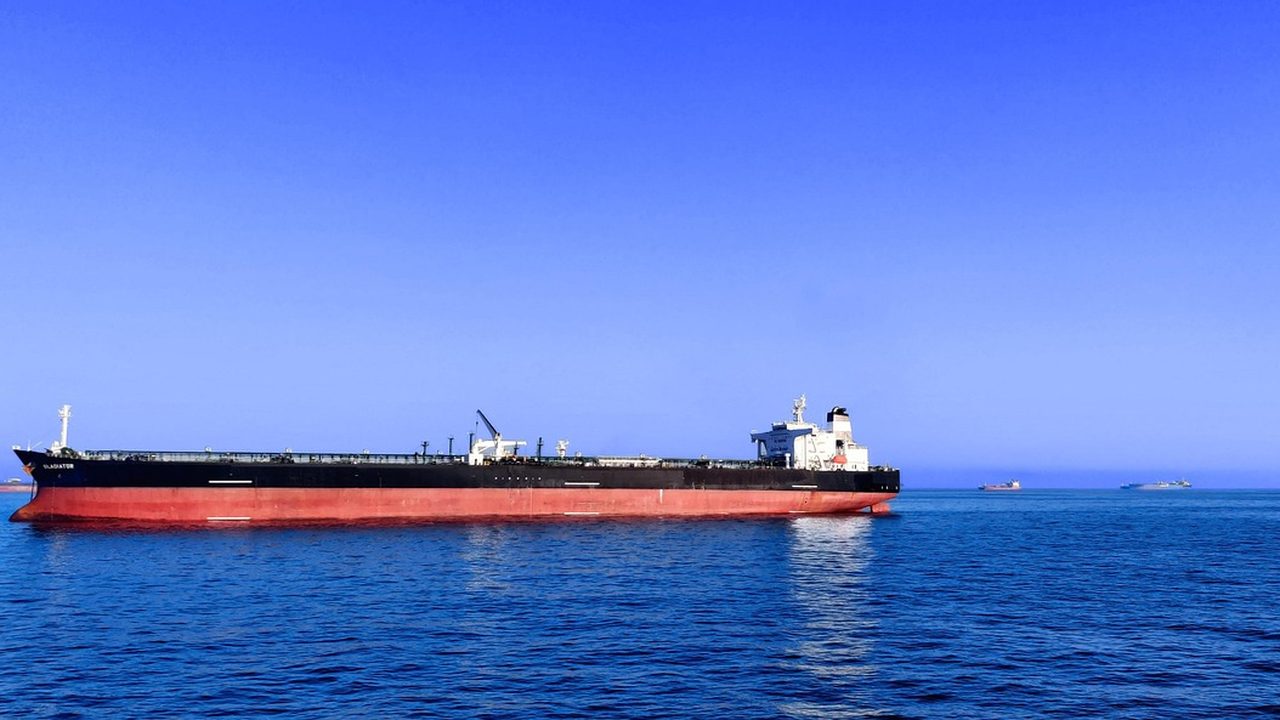
Iran declared that the Strait of Hormuz would remain closed until the United States accepted Iran's terms on an unspecified negotiating framework currently under discussion between the two governments. The announcement was not without precedent — Iran has threatened Hormuz closure in 2011, 2012, and 2019 — but maintaining an actual closure that disrupts commercial traffic represents a different order of magnitude from threat-making. Roughly twenty percent of the world's liquefied natural gas and approximately seventeen percent of globally traded oil passes through the strait, which at its narrowest point is only twenty-one miles wide. Meaningful interference with navigation there would push Brent crude well above current levels within days and send immediate shocks through European energy markets and Asian manufacturing supply chains.
The phrase 'until the US accepts its plan' is doing significant work in Iran's statement. Full public detail on what the plan entails is not yet available, but the leverage calculus is clear: Iran is using a global energy chokepoint as a negotiating chip, concentrating maximum pressure on Washington while simultaneously alienating potential European and Asian partners who bear the economic pain of any disruption despite not being the primary party Iran is addressing. Pre-market S&P futures holding at roughly 7,768 suggested traders were treating the announcement as posturing rather than imminent full closure — a pattern consistent with prior iterations of this cycle — but each iteration is not identical to the last, and the current diplomatic environment between Washington and Tehran is reportedly more fraught than at several prior moments of similar tension.
The broader strategic context matters. Iran's regional proxies — Hezbollah, Hamas, and Houthi forces in Yemen — have all faced significant degradation over the past two years under sustained military pressure. The Hormuz closure option is one of the asymmetric tools Iran retains that does not require proxy forces and is difficult for conventional military response to negate quickly. Resolution, analysts noted, depends almost entirely on diplomatic movement rather than military calculation — making the next two to three weeks of back-channel activity between Tehran, Washington, and European intermediaries the critical variable.