A Republican Insider Predicts Democrats Flip the House — and Markets Are Listening
How this was made Verified AI
Every Intellegix briefing is generated from that day's broadcast and run through automated checks before it publishes — with a human paged on any flag. Here is the trail for this edition.
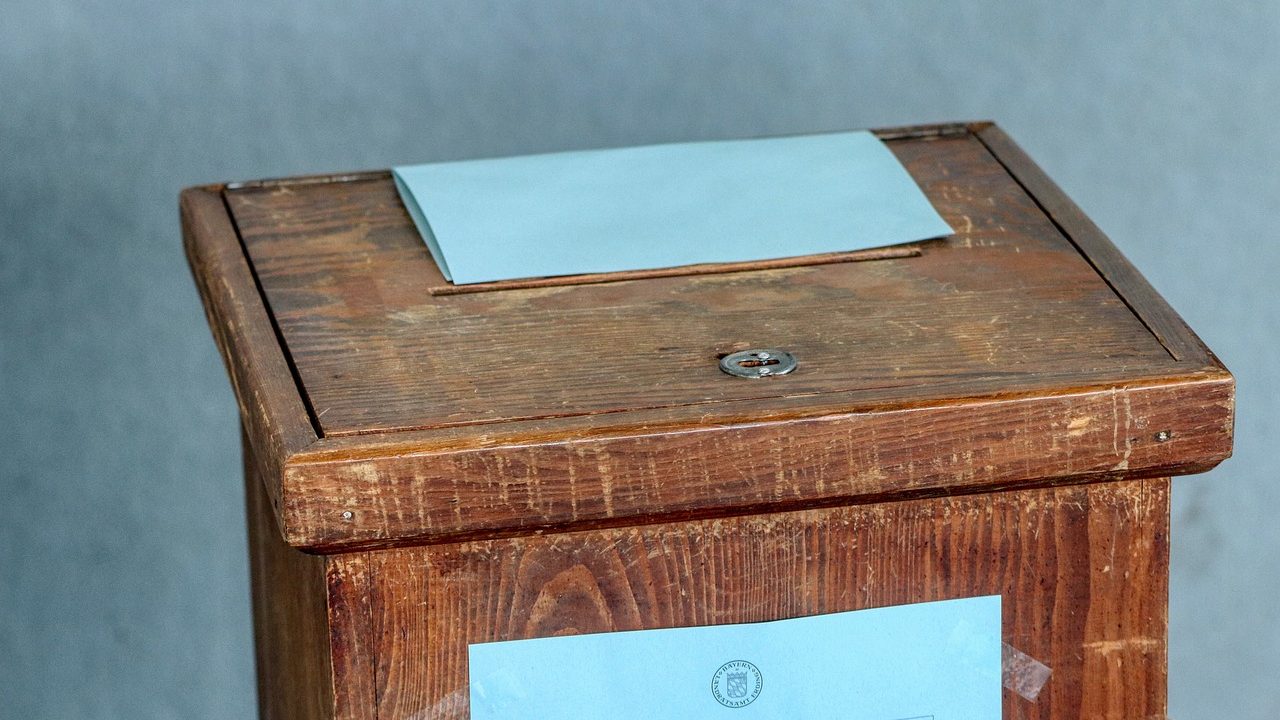
Twenty-five days before the November 3rd midterms, the political forecasts are fracturing in ways that make the outcome genuinely difficult to call. The most striking signal of the week came not from a Democratic strategist but from Bryan Lanza, a senior adviser to Trump's 2024 campaign, who told a bipartisan panel in Boston that Democrats will likely win the House with a fifteen-to-eighteen seat swing. He also warned that a narrow margin in either direction would bring what he called 'chaos' to the next legislative session.
The source matters as much as the number. Lanza has no incentive to publicly talk down Republican prospects — pessimism from within the coalition can suppress turnout. His willingness to say it in a bipartisan forum suggests either genuine conviction or a calculated effort to prepare the party's donor class for a difficult outcome. A fifteen-to-eighteen seat Democratic gain would flip the House given its current composition. Speaker Mike Johnson added to the leadership anxiety this week by saying that if Republicans lose the House, he might leave politics entirely — a remarkable statement from the third in line to the presidency.
Currency markets have already begun pricing the electoral range of outcomes. Analysts say a full Republican sweep — retaining both chambers — would lift the dollar meaningfully, reflecting expectations of extended 2017 tax cuts, potential new corporate tax reductions, and a Federal Reserve facing less political friction. A split Congress or Democratic House introduces legislative gridlock, suppressing the fiscal clarity that currency traders favor. A subtler dynamic is also at play: a Democratic House could issue subpoenas and hold hearings on executive foreign policy, including Iran negotiations, while a Republican House would likely defer to executive authority — and markets have internalized that unified Republican government means faster executive action with less friction.
An Economist-YouGov poll released this week found that only twenty-one percent of registered voters believe Trump will actually deliver the five-thousand-dollar dividend checks he has promised if Republicans retain Congress. That credibility gap cuts in multiple directions simultaneously: it may dampen enthusiasm among voters counting on the money, but it also means financial markets are not pricing in a significant fiscal expansion from those payments. If they materialized, the effect would be a surprise to the upside for consumption but potentially a negative shock to Treasury yields and inflation expectations.
Also reshaping the political temperature this week: Defense Secretary Hegseth announced that the execution of the Fort Hood shooter will be public in some form — a deliberate cultural signal about military justice timed three weeks before a national election. Separately, the FBI pulled a video that praised Director Kash Patel by name and grouped Michigan Senate nominee Abdul El-Sayed with what it called the 'defund the police crowd,' after a formal Hatch Act complaint. The clip was retracted, but its existence — from an institution that has maintained scrupulously nonpartisan public communications for decades — reflects how thoroughly the norms around FBI independence have shifted.