AI Hardware, Infrastructure Claims, and the Altman-Musk Dynamic
How this was made Verified AI
Every Intellegix briefing is generated from that day's broadcast and run through automated checks before it publishes — with a human paged on any flag. Here is the trail for this edition.
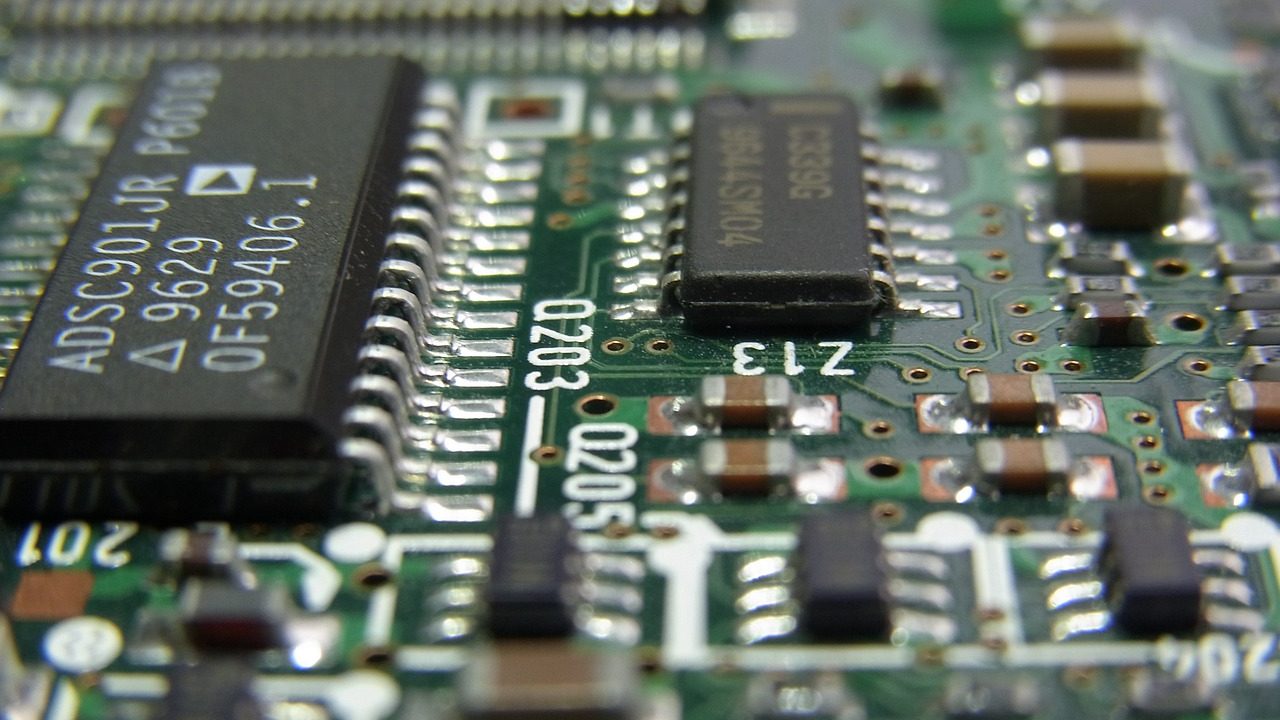
Nokia CEO Pekka Lundmark told an industry audience this week that AI data centers can be built twice as fast as current timelines allow, pointing to modular, pre-fabricated infrastructure components and Nokia's networking technology as enabling factors. The claim is notable because data center construction lead times — typically three to five years for hyperscale facilities — have been among the most persistent bottlenecks in the AI infrastructure buildout, with demand dramatically outpacing physical supply. Lundmark's assertion is partly a product positioning statement for a company repositioning around AI connectivity infrastructure, but it carries genuine engineering arguments about reducing on-site construction time that the industry will scrutinize.
At the smaller-scale end of the AI hardware spectrum, a San Francisco startup called Ghost Computer, founded by 19-year-old Zain Javaid, emerged from stealth Monday with a product called the Core. The device is a screenless box — no display, no keyboard — designed to run personal AI agents locally, meaning all processing happens on the device rather than in a remote cloud. The company raised eleven million dollars and immediately opened preorders at $3,499, positioning the product at privacy-focused power users, developers, and early adopters. The 'local AI' category is gaining traction as the gap between local and cloud compute narrows and privacy concerns around cloud-based AI processing intensify.
Sam Altman had a candid public week on two fronts. At an event, a journalist's question about Altman's prior public discussion of a family member's suicide was reportedly met with an attempted physical intervention by an OpenAI publicist — a media management move that predictably made the attempted intervention the story rather than whatever it was meant to prevent. Separately, Altman explicitly called Elon Musk a 'bully' in a public forum, but added that he would still work with him if circumstances required. Given that Musk's companies intersect with AI infrastructure at multiple points — satellite connectivity through Starlink, compute resources, and xAI's Grok competing directly with OpenAI — the statement reads less as personal warmth than as commercial pragmatism.
Figure AI melted its retired humanoid robots on a tip from Arnold Schwarzenegger, who apparently suggested that warehousing decommissioned humanoid robots creates both visual and liability concerns better resolved through physical destruction. Figure publicized the decision. Beyond the memorably strange headline, the underlying policy reflects real engineering and legal considerations around proprietary hardware and software contained in end-of-life robotics.