Third US Carrier Deployed as Iran Denies Inspector Deal, Diplomats Are Expelled, and Kushner Conflict Surfaces
How this was made Verified AI
Every Intellegix briefing is generated from that day's broadcast and run through automated checks before it publishes — with a human paged on any flag. Here is the trail for this edition.
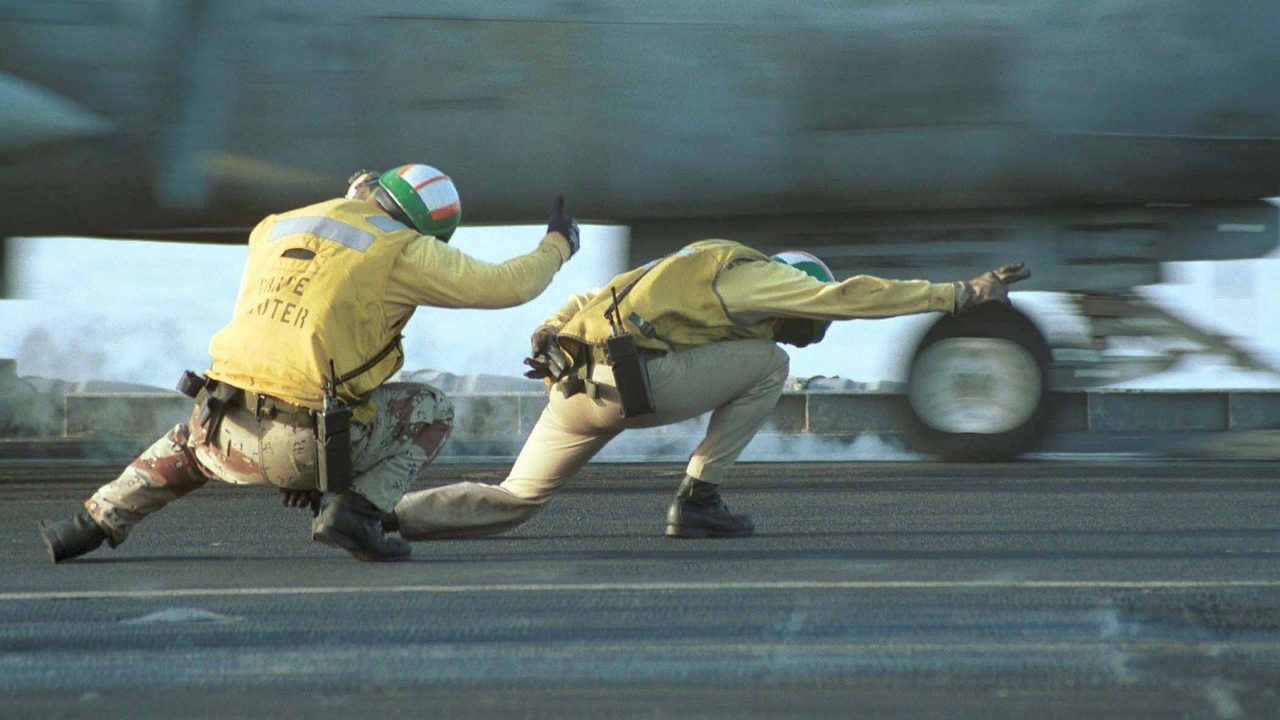
The United States dispatched a third aircraft carrier and up to 10,000 additional troops to the Middle East this week, a level of naval concentration observers said is rarely seen outside major escalation events. The deployment came as Iran received a US response — transmitted through Qatar, because direct communication channels are effectively frozen — to a framework reportedly involving the Strait of Hormuz. Iran simultaneously denied having offered nuclear inspector access in exchange for sanctions relief.
Secretary of State Rubio ordered Iran's UN delegation to leave the United States after US-Iran talks stalled, an extraordinary step that puts Washington in tension with its treaty obligations under the UN Headquarters Agreement and, analysts noted, makes future back-channel arrangements significantly harder to arrange. In the United Kingdom, two Iranian nationals were charged in connection with a planned attack on Yom Kippur, and Mayor of Greater Manchester Andy Burnham said Iran played a role in a separate plot against RAF Fairford, a major American air base in England.
Israeli Prime Minister Netanyahu warned of a very heavy price in response to an attack attributed to Iranian-linked actors involving the flydubai carrier. Given Israel's recent track record of following through on such statements, the warning was being closely monitored.
A CNN investigation added a conflict-of-interest dimension to the diplomatic picture: Jared Kushner's investment firm, Affinity Partners, reportedly holds the largest stake in Phoenix Financial, which invested in Elbit Systems and other Israeli defense contractors — while Kushner was simultaneously serving as a diplomatic negotiator on Gaza. Elbit is among Israel's primary military suppliers, raising questions about whether a ceasefire negotiator held financial interests in companies that profit from the continuation of conflict. Separately, the United States this week completed its troop withdrawal from Iraq, ending more than two decades of military presence after the 2003 invasion, the surge, and the long ISIS campaign — a historically significant moment that risked being overshadowed by simultaneous crises elsewhere.