Ballot Seizures, Title IX Rollback, and the Kennedy Center's Deliberate Decay
How this was made Verified AI
Every Intellegix briefing is generated from that day's broadcast and run through automated checks before it publishes — with a human paged on any flag. Here is the trail for this edition.
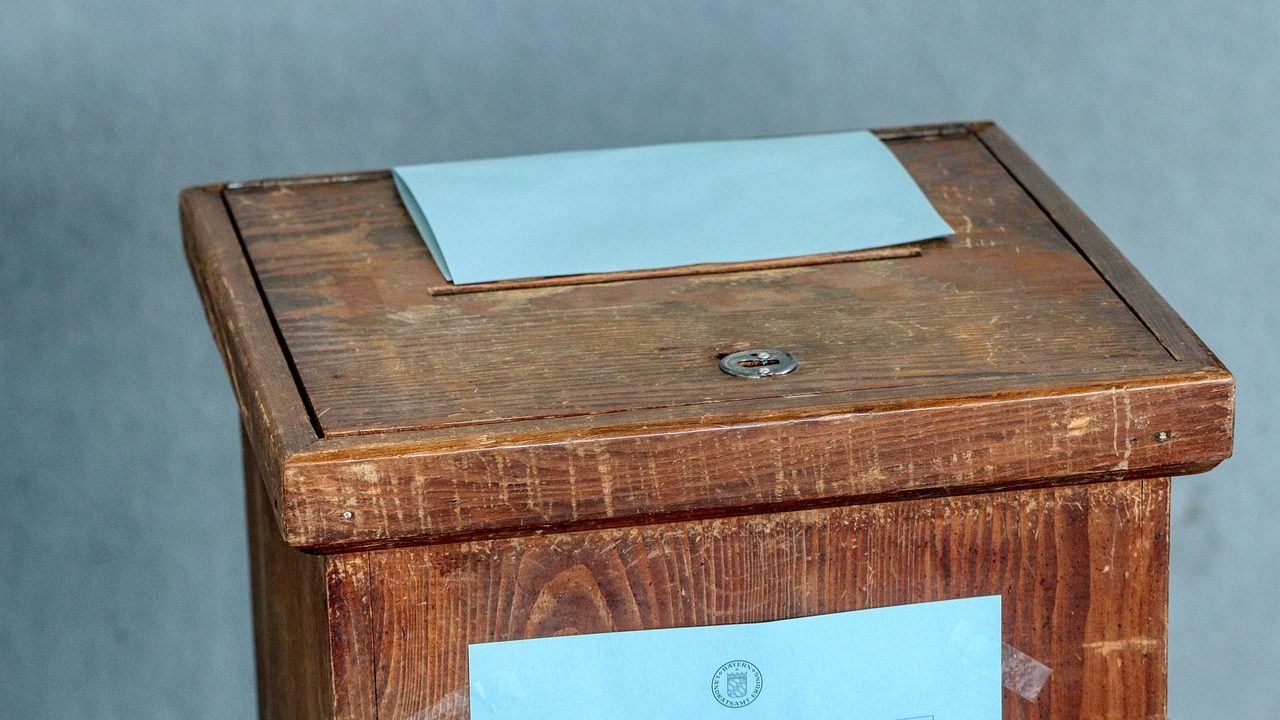
A California judge ordered a county sheriff to return six hundred fifty thousand seized ballots, addressing what the court found to be a serious breach of the institutional separation between law enforcement and election administration. The fact that a sheriff came to hold that volume of ballots at all — before a federal court ordered their return — represents a warning about what election administration looks like under pressure, regardless of the motivations involved. New York City was separately ordered to scrap its pied-à-terre tax rollout, a ruling with national implications for cities exploring surcharges on non-primary residences as a tool to cool speculative real estate markets.
The Education Department formally rescinded Biden-era LGBTQ protections under Title IX, restoring 2020 Trump-era regulations and removing federal protections that courts had already blocked from taking effect in multiple jurisdictions. The formal rescission is partly procedural cleanup of an already-contested legal landscape, but it also delivers a concrete policy signal — and a campaign accomplishment — heading into the November third midterms.
Former Kennedy Center employees told Congress that executive director Matt Floca canceled already-funded roof repairs in April; the same leaks from those unfixed roofs were subsequently cited as justification for shutting the building. If the whistleblowers' account is accurate, the sequence — defunding maintenance, allowing deterioration, then using deterioration as justification for closure — describes a deliberate operational strategy rather than neglect. The pattern, if documented, has applicability to any public institution.
Palestinian Authority President Mahmoud Abbas addressed the UN General Assembly from Ramallah via video for the second consecutive year, barred from entering the United States to participate in person. He called the visa ban 'punitive.' Scores of delegates walked out during Israeli Prime Minister Netanyahu's address to the same body, capturing the depth of international frustration with Israeli policy. FBI co-deputy director Bailey resigned after just one year, and a DOJ prosecutor quit publicly stating she had been scapegoated in the Broadview Six case — multiple departures from federal law enforcement institutions in a single day, each with specific circumstances but collectively contributing to a pattern of experienced personnel leaving government.