Twenty Years, 4,500 Lives, One Final Departure from Iraq
How this was made Verified AI
Every Intellegix briefing is generated from that day's broadcast and run through automated checks before it publishes — with a human paged on any flag. Here is the trail for this edition.
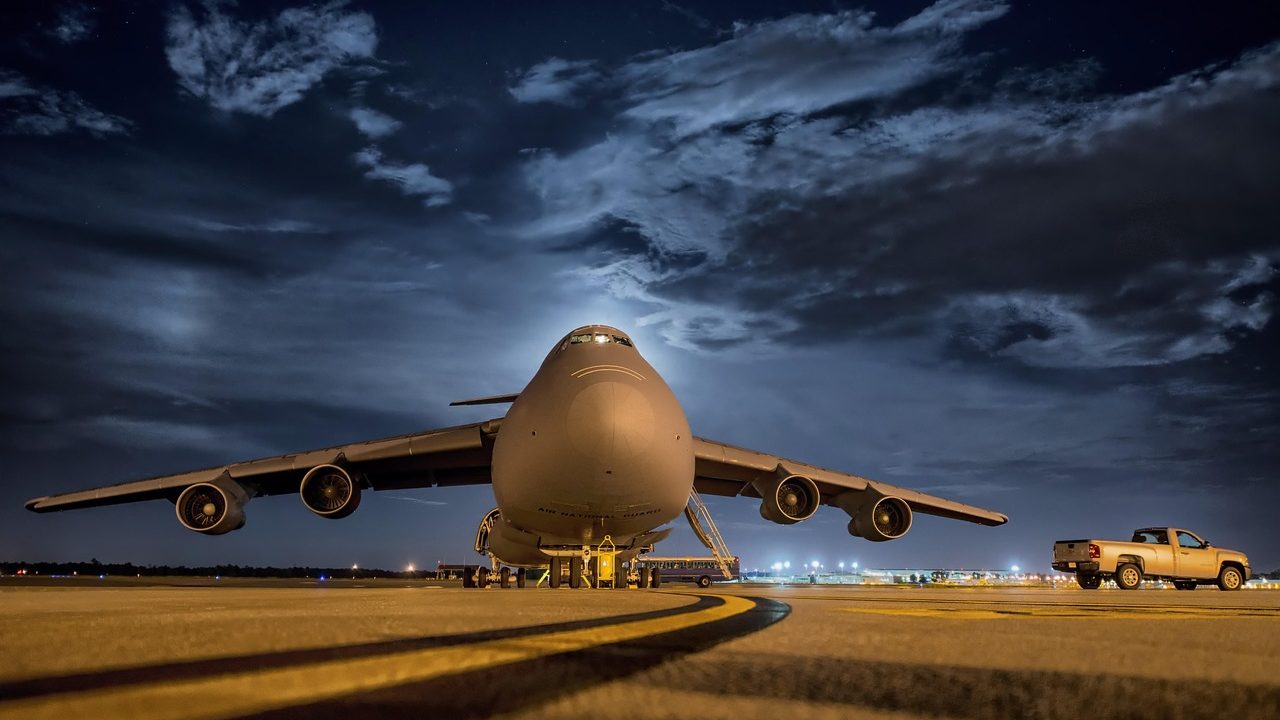
The last American forces departed Iraq on Wednesday, ending Operation Inherent Resolve and closing a military involvement that began in 2003. The toll over more than two decades was staggering: roughly 4,500 American service members killed, an estimated 200,000 Iraqi civilian deaths, and a direct financial cost that the Costs of War project at Brown University placed north of two trillion dollars when long-term veteran care is included.
The departure has not been welcomed by regional security analysts. Reuters reported warnings that Iranian-backed militias in Iraq are already better positioned than at any point since 2011, and that the Islamic State — diminished from its 2014 peak but not eliminated — now has operational breathing room it has not enjoyed in years. The Iraqi government spent months negotiating the withdrawal timeline while managing its own fraught relationships with both Washington and Tehran.
Competing interpretations of the exit map sharply onto political fault lines. Trump administration officials framed it as the fulfillment of a campaign promise to end endless wars; regional security analysts pointed to the loss of what had been a meaningful friction point constraining Iranian proxy activity. The historical parallel that foreign policy scholars have raised is the 2011 withdrawal under President Obama — within three years, ISIS had seized Mosul and declared a caliphate. Iraqi security forces are considerably more capable today, but the structural concern about power vacuums filling quickly remains.
The withdrawal's timing compounds its significance. It coincides with a tanker attack in the Strait of Hormuz, the activation of a Saudi-Turkey-Pakistan defense pact in response to Houthi strikes, and a proposal from Secretary of Defense Hegseth to cut general and admiral slots by 20 percent — a combination that people described only as unnamed Pentagon sources and Capitol Hill contacts characterized as generating serious internal pushback. A separate data breach exposing 4 million service members' records, including unencrypted Social Security numbers, added another layer of strain to a defense establishment under visible internal stress.