AMD's $8.2 Billion Bet on Spatial AI and the Geometry of the Chip Wars
How this was made Verified AI
Every Intellegix briefing is generated from that day's broadcast and run through automated checks before it publishes — with a human paged on any flag. Here is the trail for this edition.
S&P futures were sitting around 7,746 Tuesday morning, essentially flat overnight — a market statement in itself that investors have concluded the noise level is high but the actual risk to corporate earnings is manageable. The U.S.-China tariff story is the most plausible explanation for that relative calm. Both governments simultaneously released lists of goods that will see reduced tariffs, a symmetrical announcement that lets each side claim a win. The $60 billion figure applies to total annual trade volume affected; for context, at the peak of the trade war, the United States had tariffs on roughly $360 billion in Chinese goods, making the carve-out meaningful but not transformative.
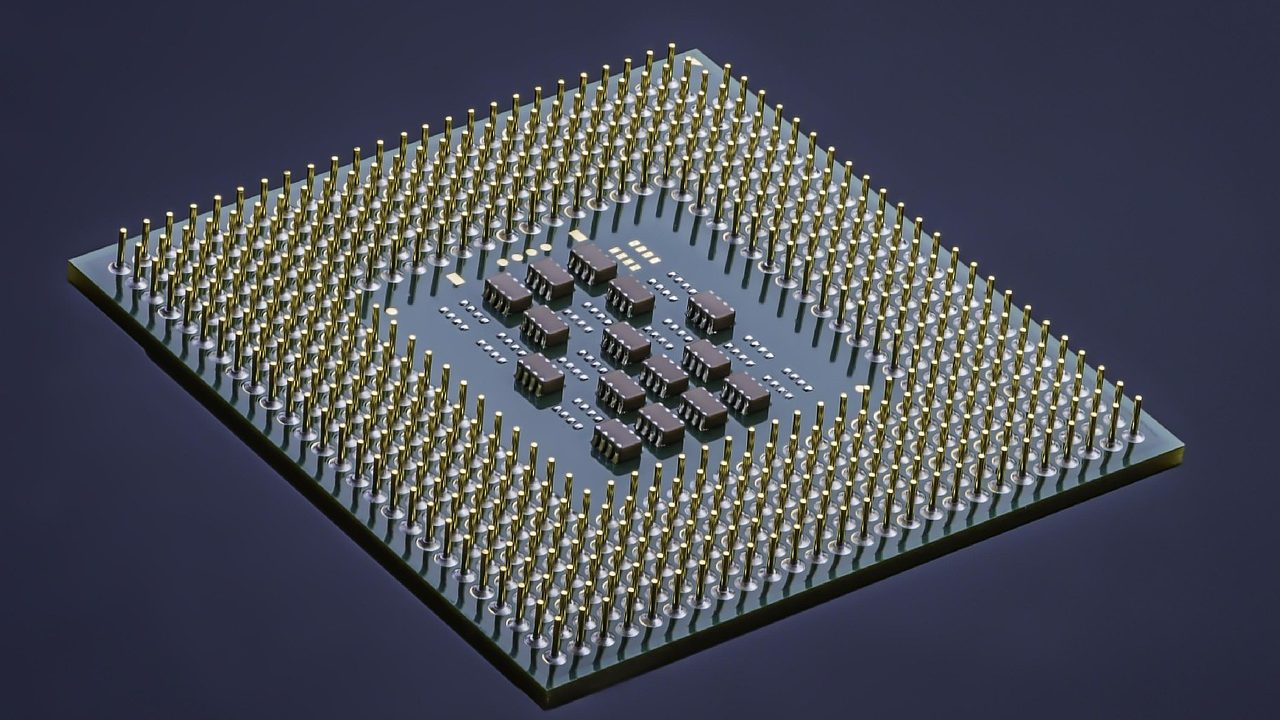
The most significant corporate move in the AI hardware ecosystem in years came with AMD's announcement of an all-stock acquisition of World Labs for $8.2 billion. World Labs was founded by Fei-Fei Li — co-inventor of ImageNet, former head of AI at Google Cloud, and by most measures the most important figure in academic computer vision. Her research focus at World Labs was spatial intelligence: teaching AI systems to understand three-dimensional environments rather than simply processing text or images. For AMD, the strategic logic is direct. Nvidia holds something like 70 to 80 percent market share in data center AI chips. AMD's MI300 hardware series has genuine performance advantages in certain workloads but has lacked the software ecosystem and research talent to convert that hardware edge into AI product wins. Bringing Li's team in-house gives AMD a credible claim on the next wave of AI applications — robotics, autonomous systems, and anything requiring spatial reasoning.
Antitrust questions attach to a deal of this scale. The Sherman Antitrust Act prohibits combinations that restrain trade or monopolize markets, but simply having large market share is not illegal under the act; what is illegal is using anticompetitive conduct to acquire or maintain monopoly power. Regulators examining the AMD-World Labs deal would ask whether the combined entity can foreclose competition — whether rivals are blocked from accessing something they need to compete, such as proprietary data, intellectual property, or a bottleneck in the AI supply chain. If AMD were to refuse to supply chips to companies using a competitor's spatial AI licensing, antitrust liability could arise. Whether the deal clears will depend on those foreclosure questions.