Two Tracks, One Table: The Secret U.S.-Iran Negotiation Playing Out at the UN
How this was made Verified AI
Every Intellegix briefing is generated from that day's broadcast and run through automated checks before it publishes — with a human paged on any flag. Here is the trail for this edition.
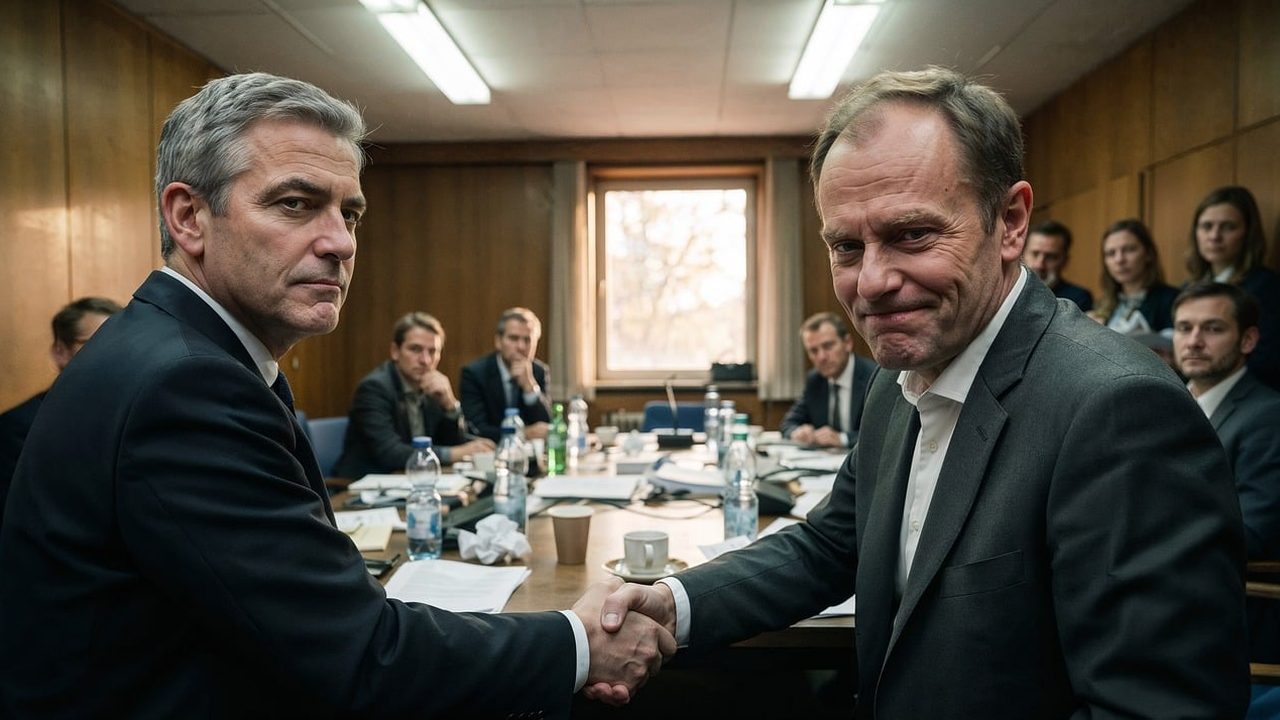
The Iran story unfolding at the United Nations this week runs on two entirely separate tracks — and the gap between them is the actual news. Axios reported that the Trump administration was prepared to offer Iran significant sanctions relief, and potentially access to frozen funds, in exchange for nuclear concessions. President Trump publicly called the report 'a hoax,' declaring Washington would win 'one way or the other.' That is the public track.
The private track tells a different story. U.S. officials, speaking on background to multiple outlets, confirmed the offer is real. Trump himself then acknowledged that envoys Steve Witkoff and Jared Kushner sat with Iranian officials for three hours at the UN General Assembly, describing it as 'a very good meeting' with another session planned — while simultaneously maintaining that no such offer exists. The strategic logic is coherent even if the messaging is not: publicly acknowledging a sanctions-for-concessions offer would immediately draw pressure from Israel, from hardliners within Trump's own party, and from Gulf states wary of Iranian influence. Calling it a hoax while quietly keeping the offer on the table preserves negotiating flexibility, a pattern consistent with the administration's approach to tariff negotiations.
The charged atmosphere surrounding those talks reflects just how volatile the regional context has become. Trump had threatened just the day before to 'annihilate' Iran — language Iranian President Pezeshkian answered by calling his country a 'victim' and warning against any attempt to use the Strait of Hormuz as a weapon of aggression. Roughly 20 percent of global oil flows through that strait, and any military escalation there would send energy markets into territory unseen in decades. Saudi Arabia had already been forced to reroute exports after pipeline attacks, with France announcing it would send troops and radar systems to protect the Saudi oil port at Yanbu from Houthi attacks, and Saudi Arabia, Turkey, and Pakistan activating a mutual defense pact in response.
British authorities arrested suspects near the RAF Fairford air base — which hosts American B-2 stealth bombers — and released them on bail while investigators probed a suspected Iranian connection. If confirmed, that link would mean Iran was potentially running a sabotage operation against nuclear-capable U.S. aircraft in the United Kingdom at the same moment Iranian officials were seated across a conference table from Witkoff and Kushner in New York. Separately, the U.S. has been pressing China in confidential diplomatic channels about suspected low-yield nuclear tests that officials believe may violate the Comprehensive Test Ban Treaty — accusations Beijing has denied, but whose timing matters for every other negotiation currently in motion.