AMD Hits a Trillion, Media Giants Merge, and Farm-State Republicans Revolt
How this was made Verified AI
Every Intellegix briefing is generated from that day's broadcast and run through automated checks before it publishes — with a human paged on any flag. Here is the trail for this edition.
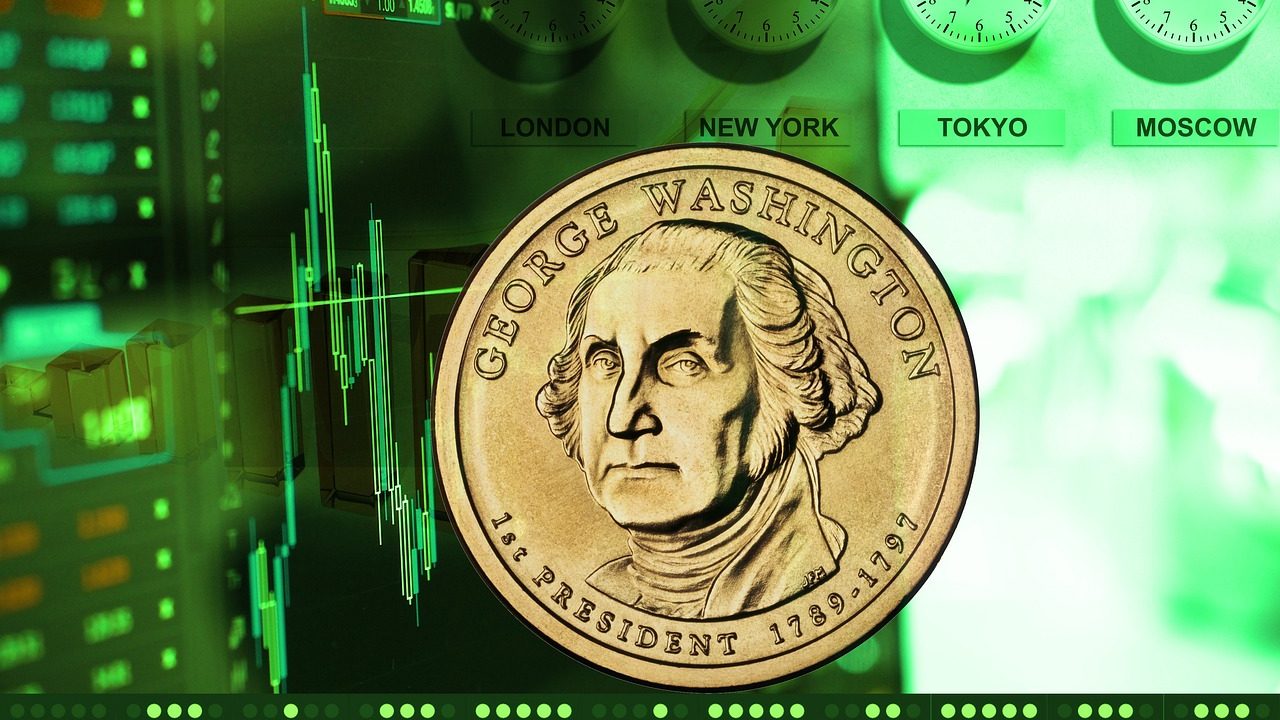
AMD crossed one trillion dollars in market capitalization for the first time this week, with shares hitting a record high as investors bet on the chipmaker's expanding role in AI computing. The specific driver is CPU-heavy agent workloads — the distributed processing architecture that agentic AI systems require — which is distinct from the GPU-heavy training workloads that drove Nvidia's earlier surge. The valuation puts AMD roughly equivalent in market cap to the entire GDP of the Netherlands, and it arrives at the same moment Anthropic is barred from government work, illustrating how regulatory headwinds for one AI-adjacent company can coexist with record valuations for another.
The Paramount-Warner Bros. merger cleared its final hurdle this week, with the deal valued at one hundred and ten billion dollars — one of the largest media consolidations since the AT&T-Time Warner combination that was itself the subject of years of antitrust litigation. Paramount settled with state attorneys general who had been investigating the competitive implications, clearing the path for a combined company controlling a substantial portion of U.S. television production, film libraries, and streaming infrastructure. Whether the settlement adequately protects competition in those markets is a question the next several years will answer.
The White House beef import story is a leading indicator of the midterm pressure the administration is under. Internal discussions are reportedly pitting the Domestic Policy Council against the U.S. Trade Representative over whether to scale back beef imports expanded under prior trade deals — and farm-state Republicans are publicly breaking with Trump over the issue. When agricultural constituencies, among the most reliable Republican voting blocs, are fracturing six weeks before a midterm at 32% approval, the political calculus for any policy decision becomes extremely compressed. Separately, the administration's use of a disputed 'pocket rescission' mechanism to cancel $810 million in congressionally appropriated spending is drawing legal scrutiny; courts have been inconsistent on whether the practice is constitutional, and a challenge appears likely.