Billionaires at the State Dinner, Stealth Parts in Hong Kong, and Canada's Contingency Plans
How this was made Verified AI
Every Intellegix briefing is generated from that day's broadcast and run through automated checks before it publishes — with a human paged on any flag. Here is the trail for this edition.
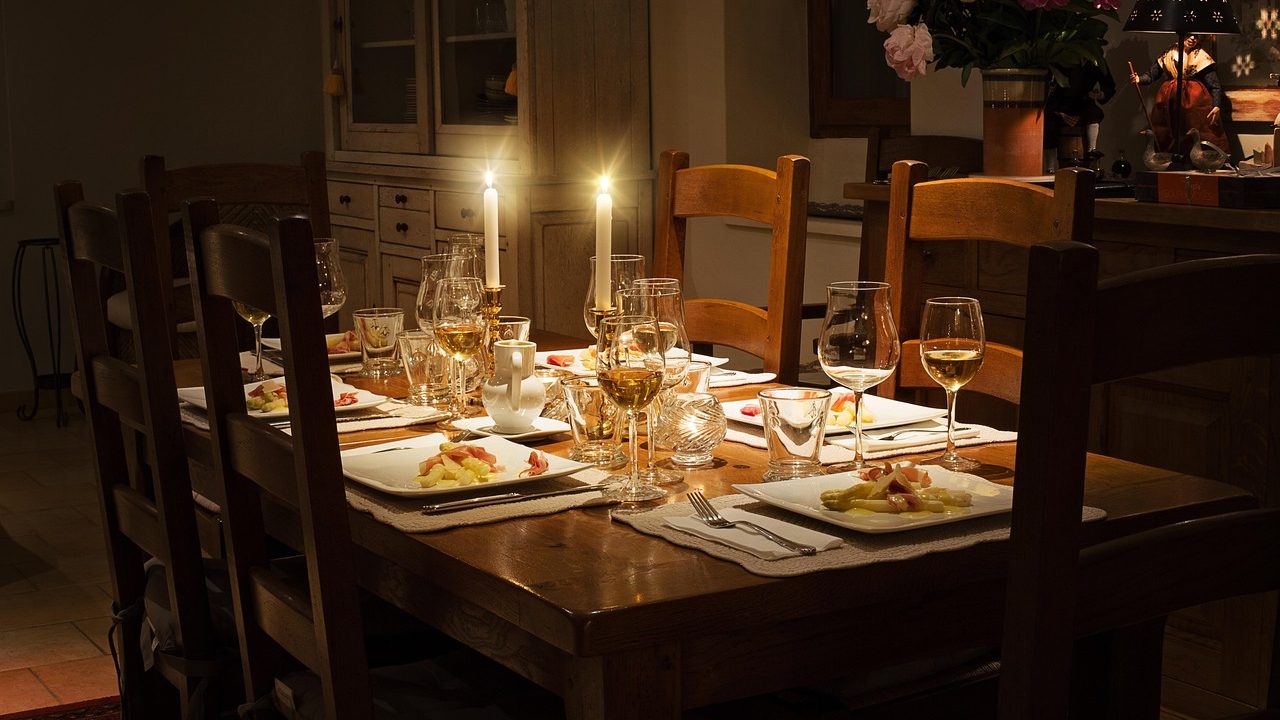
The Trump-Xi state dinner at the White House assembled an unusual cast: Jeff Bezos, Jensen Huang, Elon Musk, and Mark Zuckerberg seated alongside the two heads of state as both witnesses and stakeholders in the U.S.-China relationship. The two sides agreed to extend their existing trade truce. The substantive ask from Xi was direct — he urged Trump to formally oppose Taiwan independence, a phrase carrying specific legal and diplomatic weight that goes beyond the traditional 'one China policy' language governing the relationship for decades. Whether Trump made any private commitment on that point is unknown, but the public ask is now on record.
The diplomatic backdrop to that dinner was immediately complicated by a Bloomberg report that China seized diverted F-35 stealth components shipped from Australia via UPS before being rerouted to Hong Kong in late May. Stealth-coated materials — the technology that makes the F-35 invisible to radar — are among the most carefully protected military assets the U.S. possesses. The Pentagon is investigating and Congress has been briefed. The supply chain breach that allowed those components to reach Hong Kong represents a serious counterintelligence failure, and its timing, the same week Xi sat at the White House dinner table, is diplomatically awkward to put it mildly. The U.S. is also reportedly pressing China quietly on suspected nuclear tests — 'quietly' in diplomatic language meaning the concern is serious enough to raise bilaterally but not yet serious enough to escalate publicly.
Canada's Prime Minister Carney delivered a statement this week that received far less attention than it warranted: he confirmed he had prepared contingency plans for the risk of U.S. military action against Canada. A G7 ally, one of the closest military partners the United States has, stating plainly that he had war-gamed American aggression against his own country. The relationship has deteriorated so gradually that a sentence of that magnitude was absorbed without the shock it deserved.
Carney also confirmed Canada is moving away from both Starlink for communications infrastructure and the F-35 fighter jet program — the same aircraft whose stealth components just surfaced in Hong Kong. Canada had been committed to purchasing eighty-eight F-35s in a deal worth billions; finding an alternative at this stage of the procurement cycle is expensive and complicated. Carney framed the pivot as a question of strategic autonomy. He and Macron formalized that direction at a summit on a French island off Canada's coast, pledging joint space and defense development in a bilateral arrangement that does not route through Washington — a microcosm of the broader remapping of Western alliance architecture from a U.S.-centered hub-and-spoke model toward a more distributed web of allied relationships.