Oil, Drones, and Dual-Track Pressure: The U.S.-Iran Collision Course
How this was made Verified AI
Every Intellegix briefing is generated from that day's broadcast and run through automated checks before it publishes — with a human paged on any flag. Here is the trail for this edition.
The Wall Street Journal reported overnight that President Trump has rejected Iran's ceasefire offer — Tehran had proposed reopening the Strait of Hormuz within seven days — and that Trump told advisors he expects to resume bombing after the November elections. That framing, 'after the elections,' embeds the sequencing of military escalation inside a domestic electoral calculation, a signal that the administration is consciously timing hard power decisions around the political calendar.
Iran's response operated on two tracks simultaneously. President Pezeshkian addressed the UN General Assembly and cast his country as a 'victim' in what he described as a wartime context, building a case for international sympathy. At the same time, Iran's military establishment threatened what it called painful strikes on U.S. bases across the Middle East. A classic dual-track pressure strategy — political victimhood paired with military menace — those two postures are not contradictory, but they make diplomacy extremely complicated.
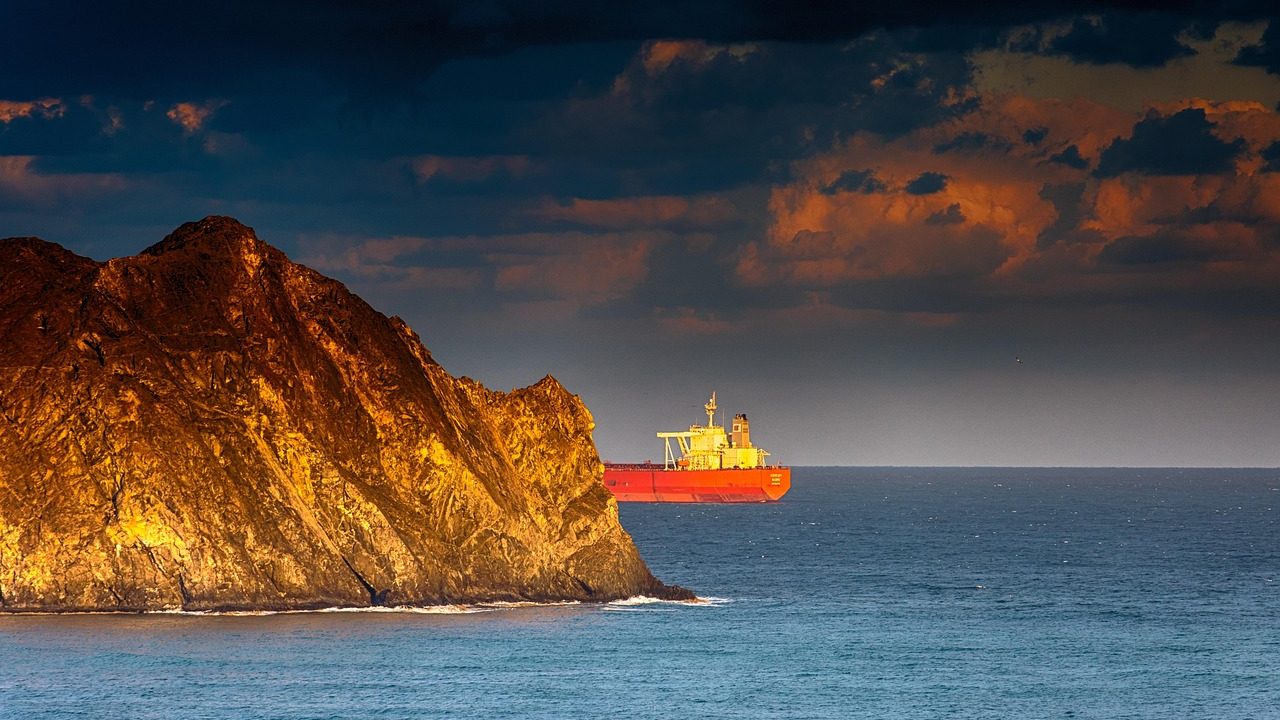
The operational picture is stark. CENTCOM confirmed this week that one billion barrels of oil have now crossed the Strait of Hormuz under direct U.S. military escort. Roughly twenty percent of the world's seaborne oil transits the Strait on a normal day; the fact that the U.S. military is now physically escorting that traffic represents an extraordinary commitment of naval resources that cannot be maintained indefinitely without either a diplomatic resolution or a direct confrontation.
The regional architecture around that chokepoint is thickening. Overnight reports described flames and smoke near Riyadh's airport following air-raid alerts, with Houthi missile strikes hitting Saudi targets. France announced it will send troops to a Saudi oil port. Saudi Arabia, Turkey, and Pakistan are planning an urgent military chiefs meeting under the Mecca Joint Defence Agreement. When a NATO ally deploys troops to protect a Gulf port while the U.S. escorts tankers through the Strait, the architecture of a broader conflict is taking shape even if no one is calling it that publicly.
The two sides did hold their first direct U.S.-Iran conversation in months on the sidelines of the UN General Assembly — a significant fact even if the content was likely procedural. When adversaries maintain back-channel contact during active hostilities, there is usually a recognized shared interest in preventing full escalation. Whether that recognition can survive Trump's stated intention to resume bombing after November 3rd is the central question Iranian leadership must now calculate.