What If We're Wrong? Testing the Iran Assumption
How this was made Verified AI
Every Intellegix briefing is generated from that day's broadcast and run through automated checks before it publishes — with a human paged on any flag. Here is the trail for this edition.
Throughout this week's coverage, a single analytical claim has done significant work: that Trump's post-midterm Iran strategy — resuming airstrikes after November — represents a genuine, committed plan rather than political theater. The Wall Street Journal reporting on the matter has been treated as a reliable window into White House intent. That assumption deserves stress-testing.
The strongest counterargument is that what reads as strategic intent may be rhetorical posturing for a domestic audience. Presidents and their advisors routinely signal hawkish positions toward adversaries they have no firm intention of acting against, particularly in election windows. The 'after the midterms' framing could be a way of signaling resolve to the Republican base while buying time for a diplomatic process to develop — the direct U.S.-Iran talks at the UN this week make that reading plausible. You do not generally hold direct talks with a country you have formally committed to bombing within weeks.
There is also the question of what resumed bombing would accomplish. If the initial strike campaign did not achieve its stated objective — Iran did not concede the Hormuz question — a second round without a fundamentally different military approach would likely produce similar results while climbing the escalation ladder. Advisors with actual military planning experience know this, and the gap between what a president says he intends and what the military and diplomatic apparatus can realistically execute is always significant.
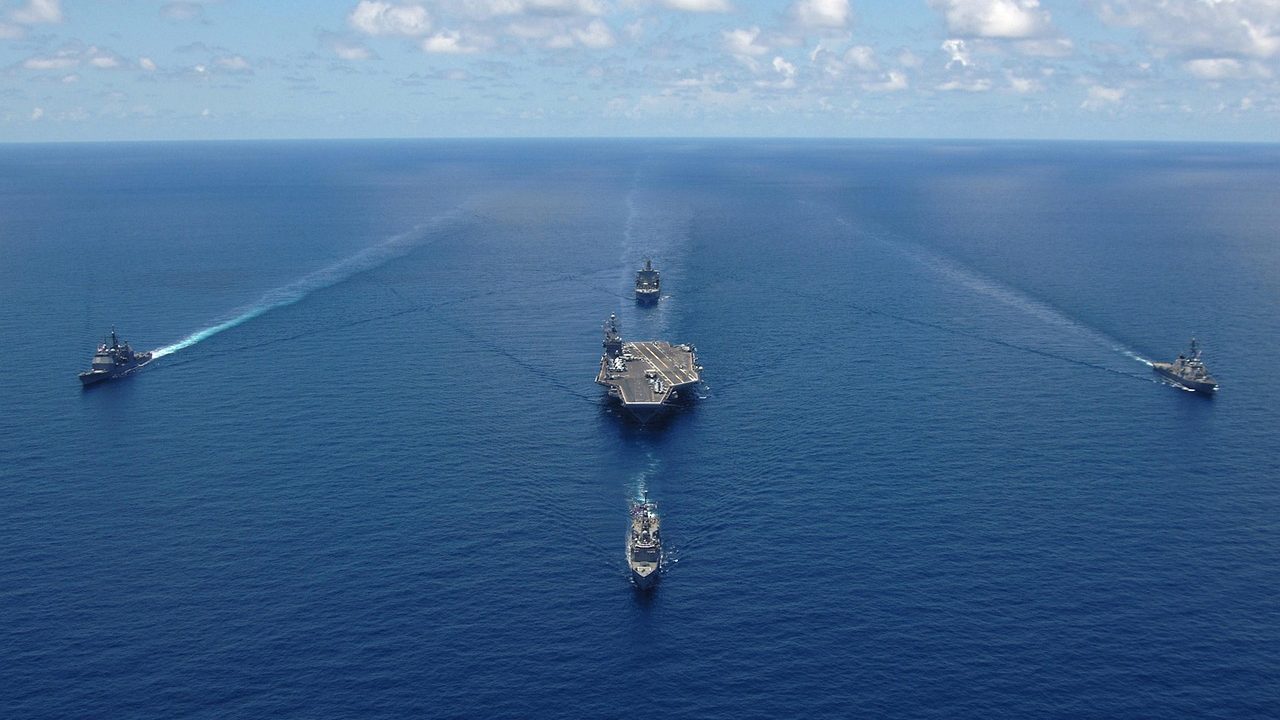
Two indicators would help distinguish genuine strategic intent from political signaling: whether CENTCOM increases its carrier strike group presence in the region in October — force positioning that precedes actual strikes cannot be improvised — and whether the diplomatic channel with Tehran stays open through early November. If U.S.-Iran talks continue into the final weeks before the midterms, the administration is preserving an off-ramp, which is inconsistent with a firm commitment to strike immediately after November 3rd. If that reading is correct, there may be meaningfully more diplomatic space for a Hormuz resolution than current energy market pricing reflects.