Canada Pivots to Brussels, and Trump Calls It a Hostile Act
How this was made Verified AI
Every Intellegix briefing is generated from that day's broadcast and run through automated checks before it publishes — with a human paged on any flag. Here is the trail for this edition.
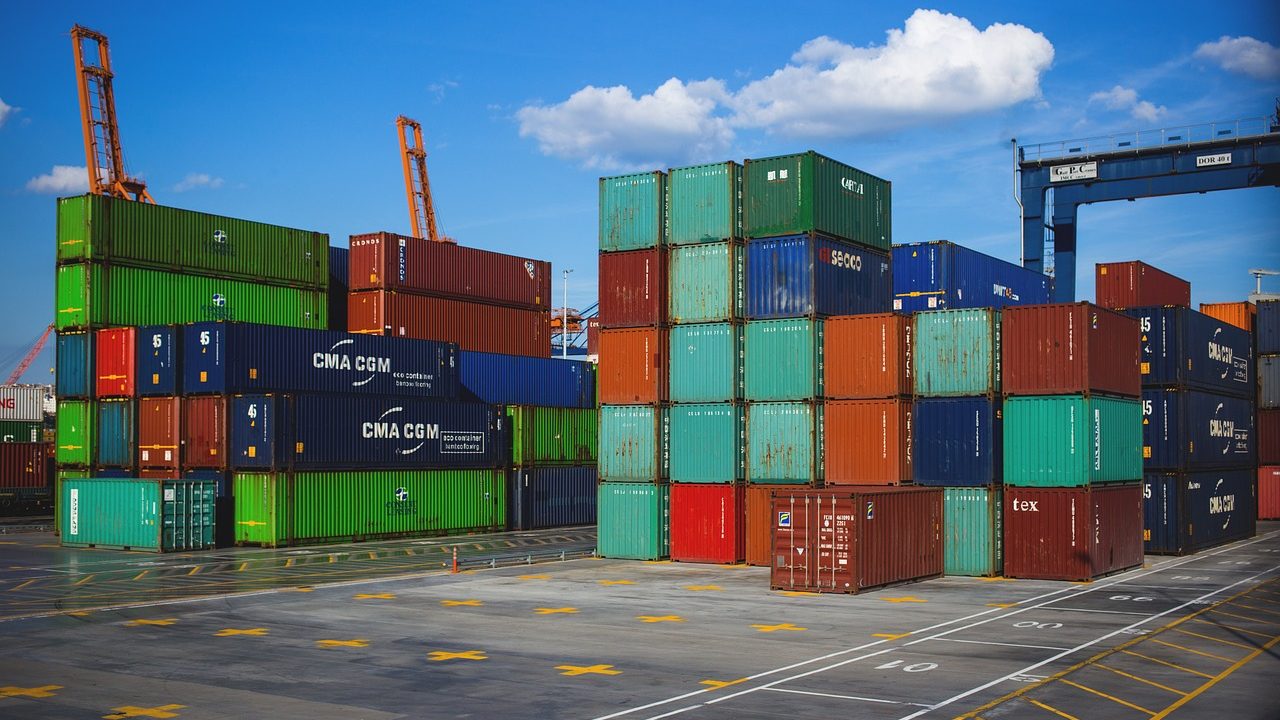
European Commission President von der Leyen extended an invitation for Canada to become the EU's first-ever associate member — a new legal category that would deepen regulatory alignment, defense cooperation, and trade integration, structurally binding Ottawa to Brussels rather than Washington. Trump called the arrangement a 'hostile act' and threatened new tariffs on European goods, while signing an executive order removing Canadian goods from U.S. federal procurement eligibility, a purchasing pool representing hundreds of billions of dollars annually.
The squeeze on Canada is acute: roughly 90 percent of Canadian exports go to the United States, making an overnight pivot to European markets impossible. But the Trudeau government and its successors have been methodically building diversification options in response to tariff volatility over recent years, and the associate membership offer represents the most formal expression of that strategy yet.
Von der Leyen's simultaneous pursuit of Canada as an associate member and her invitation to AI labs for 'slowdown talks' in Brussels positions the European Commission as a would-be regulatory standard-setter on two defining issues — trade architecture and AI governance — in the same week. Secretary Rubio also announced visa restrictions on South African government officials, citing disputes over Pretoria's posture toward Russia and its expropriation policies, a move that followed South Africa's co-chairmanship of a session at the BRICS summit in New Delhi.
The expanded BRICS bloc — now including Iran, Saudi Arabia, the UAE, Ethiopia, and Egypt among newer members — convened in New Delhi with both Modi and Putin present. Modi issued a warning against weaponizing critical minerals, directed primarily at China without naming it, reflecting the defining internal tension of the bloc: India wants the economic benefits of BRICS membership without ceding leadership of it to Beijing. That tension affects everything from semiconductor supply chains to rare earth pricing, and it shapes how the grouping functions as a geopolitical counterweight.