Record Diesel, Unfundable Checks, and a White House Economic Story Coming Apart
How this was made Verified AI
Every Intellegix briefing is generated from that day's broadcast and run through automated checks before it publishes — with a human paged on any flag. Here is the trail for this edition.
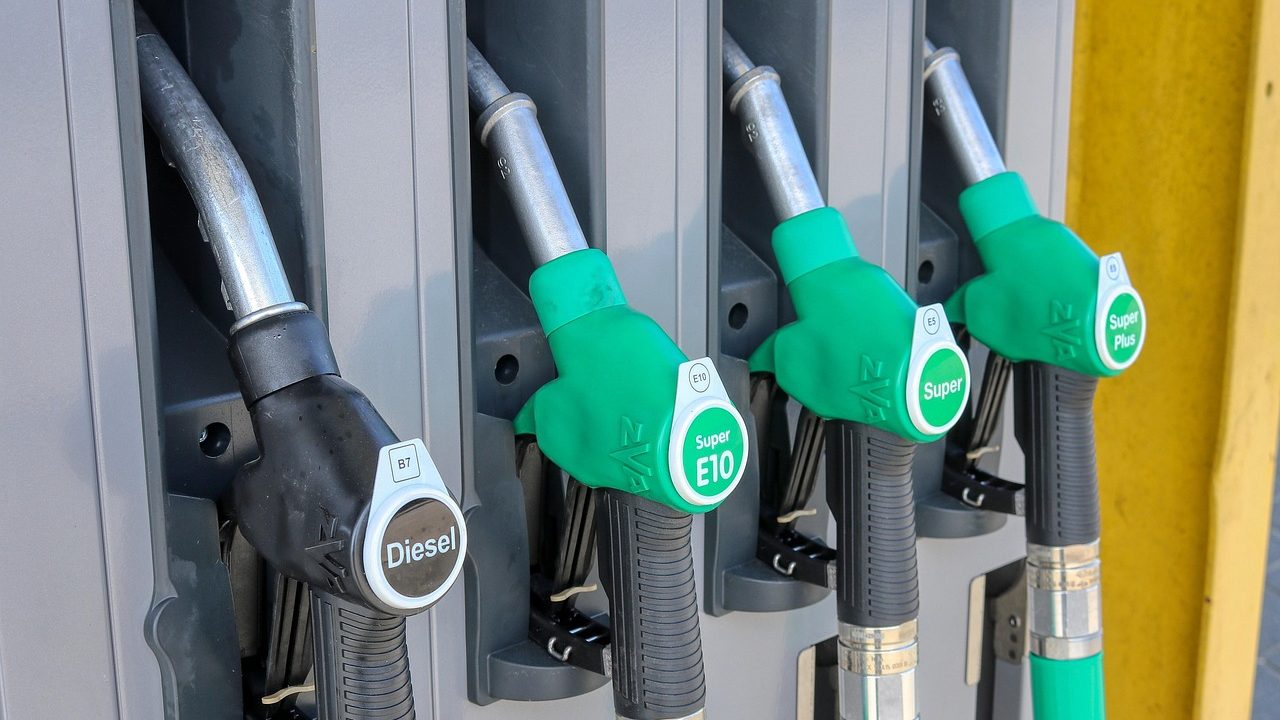
Diesel at a record six dollars a gallon is not an isolated data point — it is a cost that transmits through the entire supply chain, and Trump's public concession that energy relief will not arrive before the midterms effectively retracted one of the administration's central economic promises. The 'drill, baby, drill' framework had implied that expanded domestic production would bring prices down on a politically useful timeline; oil markets, as administration officials are now acknowledging, do not respond to production announcements on electoral schedules.
Commerce Secretary Howard Lutnick's explanation of how Trump's five-thousand-dollar direct payment proposal would be funded attracted sustained criticism from mainstream economists. Lutnick cited visa fees — an existing revenue stream already allocated to other programs — and unrealized gains in Intel stock holdings. Economists responded that unrealized gains are a paper figure, not liquid capital, and that writing trillion-dollar checks against unrealized stock positions would require liquidating those positions, affecting the stock price and potentially triggering tax consequences. The word used in multiple published assessments was 'implausible.'
Morgan Stanley's Mike Wilson placed his thirty-day correction warning in this context: not that any single factor breaks the market, but that the accumulation of unresolved pressures — diesel prices, inflation persistence, fiscal uncertainty around direct payment proposals, and AI sector valuation run-ups — creates conditions for a rapid repricing. A market priced for a smooth economic environment, Wilson argued, is vulnerable when the data suggests otherwise. S&P futures at roughly 7,659, up about 0.8 percent on Saturday, indicated the market had not yet priced in Wilson's concerns. His thirty-day window opens into October, historically among the more volatile months for equities, and lands directly on the midterm campaign's final stretch.
Trump's separate comments on Chinese automakers building vehicles in the United States represented a notable evolution in how the administration frames the China economic relationship. His distinction between Chinese companies manufacturing in America with American workers versus importing vehicles from China follows the logic of the existing tariff regime while potentially opening a path for foreign direct investment that could be framed as a domestic jobs win. Whether any Chinese automaker would navigate the regulatory and political environment to build U.S. plants remains an open question, but analysts noted that Chinese electric vehicle manufacturers — BYD, SAIC, and others — are producing vehicles at price points and quality levels that would be disruptive in any market they enter.