Ukraine Hits Russia's Fuel Supply as NATO's Western Flank Cracks
How this was made Verified AI
Every Intellegix briefing is generated from that day's broadcast and run through automated checks before it publishes — with a human paged on any flag. Here is the trail for this edition.
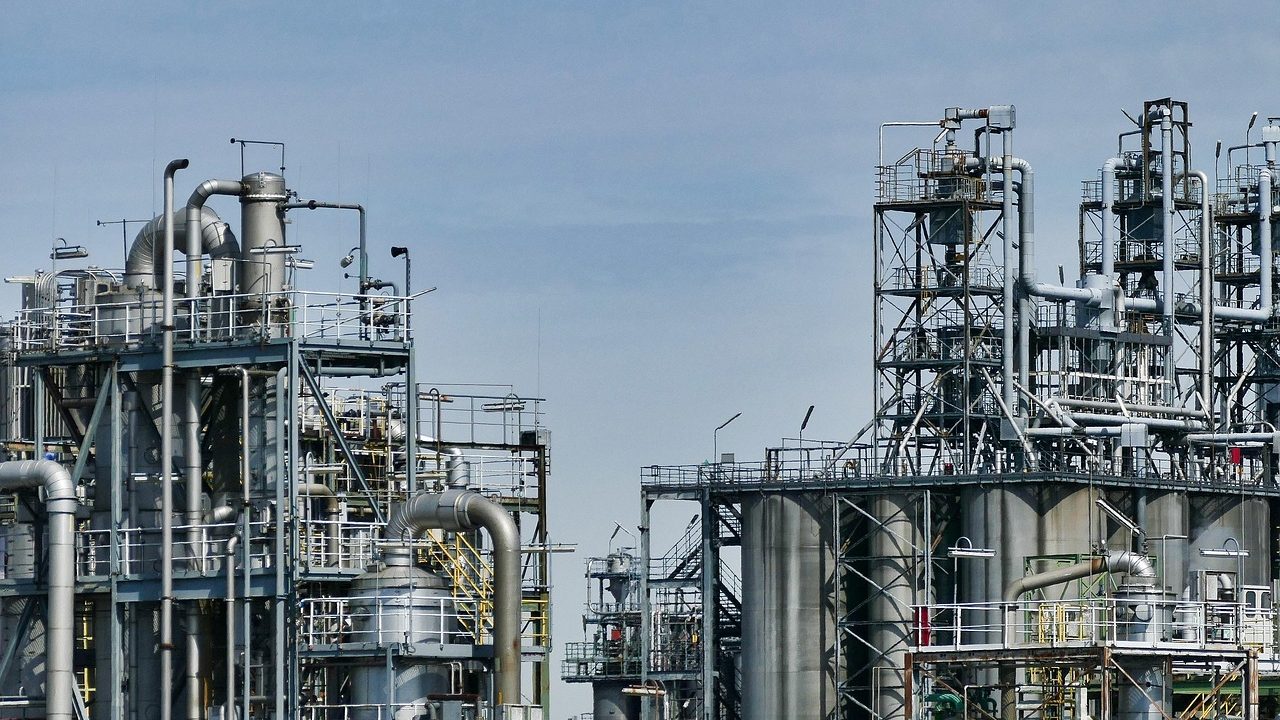
Ukraine struck the Rosneft Ryazan oil refinery — one of Russia's largest diesel and jet fuel processors, located roughly 200 kilometers from Moscow — and a Wildberries e-commerce logistics hub in a single drone operation, deepening a sustained campaign against Russian refining capacity that has already strained domestic fuel supplies.
The Wildberries strikes reflect a deliberate legal and strategic calculation. Ukraine has targeted the retailer's logistics network because it overlaps with military supply chains, making the warehouses dual-use infrastructure under the laws of armed conflict — a classification Ukraine's government argues is legally and militarily sound.
The military story, however, is entangled with a widening rift inside the Western alliance. The U.S. walked out of a UN Security Council session after France's ambassador publicly compared American human rights conduct to that of North Korea and other authoritarian states. Washington chose withdrawal over rebuttal — a form of diplomatic escalation that signals something deeper than a single speech.
France has been the most consistently critical NATO member on issues ranging from the ICC warrant to U.S. immigration enforcement, and the Security Council exchange suggests the rupture is structural rather than episodic. The more consequential question is not whether Ukraine can sustain its strike campaign against Russian infrastructure, but whether the political coalition underwriting Ukrainian military support can hold when NATO members are airing this level of grievance at the world's most visible multilateral table.