Ancient DNA, Buried Cities, and the Government Cheese Fire of 1991
How this was made Verified AI
Every Intellegix briefing is generated from that day's broadcast and run through automated checks before it publishes — with a human paged on any flag. Here is the trail for this edition.
Two archaeology stories this week share a common thread: modern scientific methods testing claims that were previously unfalsifiable. A study published in Science used ancient DNA analysis to evaluate a barbarian tribe's mythic account of its own origins — an account historians had largely dismissed as legend — and found the genetic evidence consistent with the story the tribe told about itself. The DNA showed a migration pattern matching the tribe's oral and written tradition, demonstrating that ancient DNA analysis has reached a resolution where it can test specific historical hypotheses rather than merely drawing broad demographic maps.
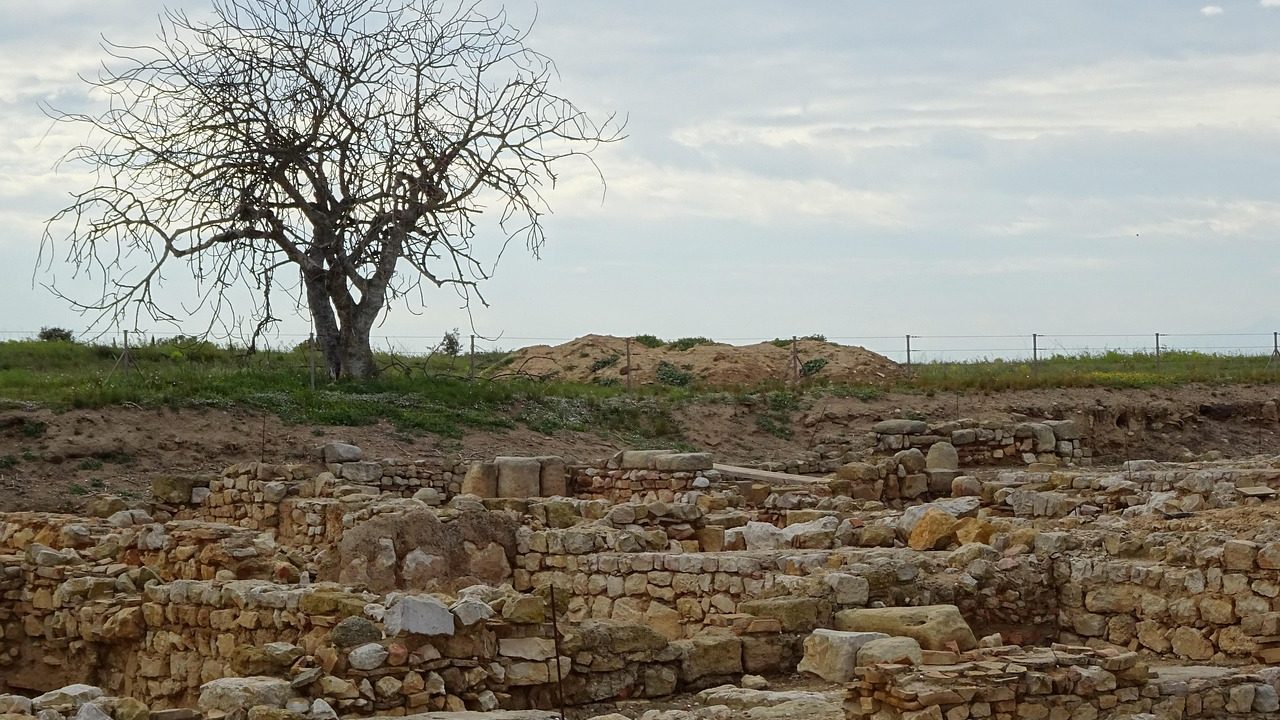
Akrotiri, a Bronze Age settlement on the island of Santorini, offers a different kind of historical window. Buried under volcanic ash from the Thera eruption somewhere in the 17th to 16th century BCE, the site gives an instantaneous snapshot of a sophisticated seafaring society that left no place in the written historical record. Recent excavation findings described in a Smithsonian piece suggest Akrotiri had multi-story buildings, indoor plumbing systems, and trade networks extending across the eastern Mediterranean — a genuinely complex society erased so completely that everything known about it comes from what the ash preserved.
A detailed essay on San Marino — the world's oldest surviving republic, a 61-square-kilometer nation-state surrounded entirely by Italy — examined how a medieval city-state survived every wave of Italian unification and European territorial consolidation. The piece covers San Marino's unusual constitutional structure, its relationship with Italy, and an economy built substantially on tourism and postage stamps.
The week's most unexpected historical footnote: a great butter and cheese fire in Wisconsin in 1991 destroyed over 20 million pounds of dairy products accumulated in government commodity stockpiles under 1980s agricultural price support programs. The fire destroyed roughly a quarter of the federal dairy stockpile, offering a window into the bizarre economics of an era when 'government cheese' was a real and substantial phenomenon.