Bone Proteins, Thermal Cloaks, and a Power Grid Mystery Finally Solved
How this was made Verified AI
Every Intellegix briefing is generated from that day's broadcast and run through automated checks before it publishes — with a human paged on any flag. Here is the trail for this edition.
A paper reported in Science.org found that osteocalcin and other proteins secreted by bone tissue appear to have systemic effects slowing aging processes in animal models, through signaling pathways between bone and muscle, brain, and other organs that were not well characterized until recently. HN commenters expressed cautious interest alongside appropriate skepticism about translating animal model results to human therapeutics.
Materials scientists reported a three-dimensional structure that redirects heat flow around an object so that infrared cameras register a flat, undisturbed thermal signature rather than the object's presence. The device is a fabricated material with demonstrated performance, not a theoretical proposal — a development simultaneously drawing attention in physics circles and defense analysis communities given its obvious military applications.
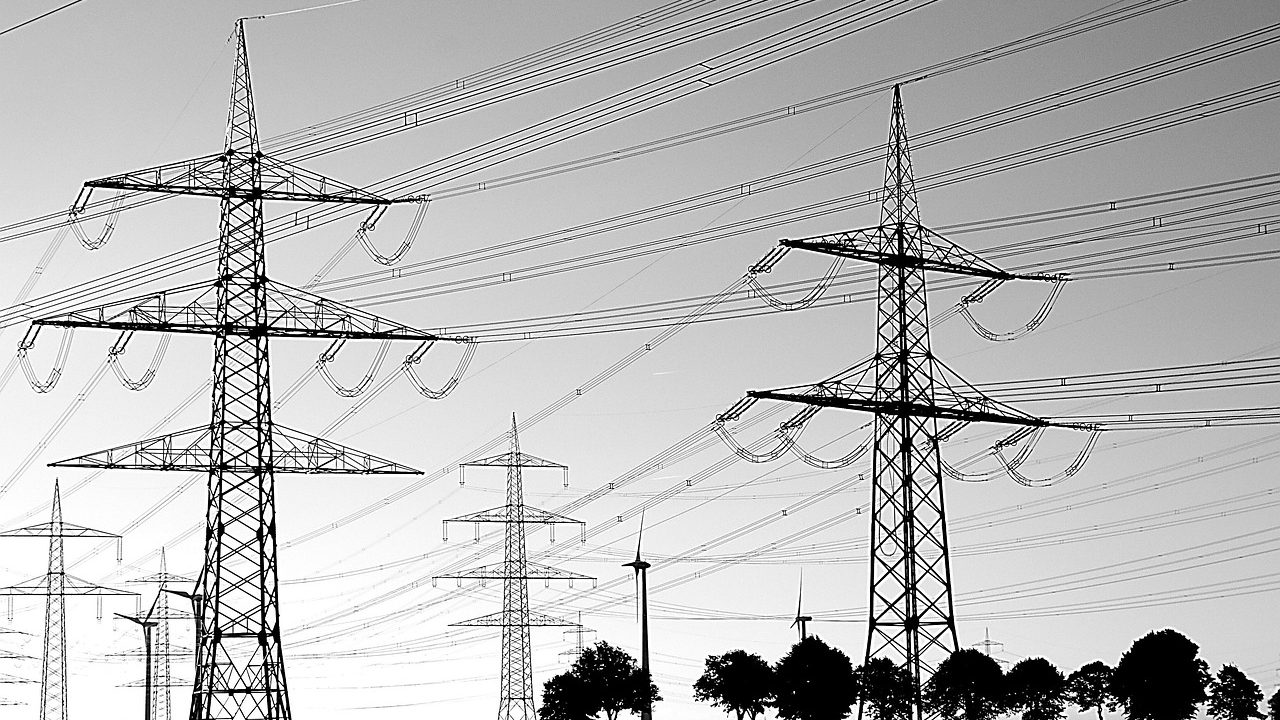
Researchers at Forschungszentrum Jülich published in Nature Energy an explanation for a longstanding mystery: modern interconnected power grids exhibit periodic frequency disturbances on roughly sixty-second cycles whose origin was poorly understood. The answer involves synchronization dynamics — when grids of different sizes and configurations are linked, their natural oscillation modes interact to produce the characteristic pattern. Understanding the mechanism is the prerequisite for designing control systems that dampen rather than amplify the oscillations, a practical concern as grids grow more complex with variable renewable generation.
A preprint on the Platonic Representation Hypothesis, concerning Joint Embedding Predictive Architectures, found that different AI systems trained on different data with different architectures tend to converge on similar internal representations of reality. The finding struck HN commenters as philosophically significant — suggesting something like objective structure that learning systems discover, rather than arbitrary features they construct — and drew additional attention in the context of the concurrent discussion on mathematical knowledge.