The Hidden Cost of Framework Complexity: AI Coding Tools Work Better on Simpler Code
How this was made Verified AI
Every Intellegix briefing is generated from that day's broadcast and run through automated checks before it publishes — with a human paged on any flag. Here is the trail for this edition.
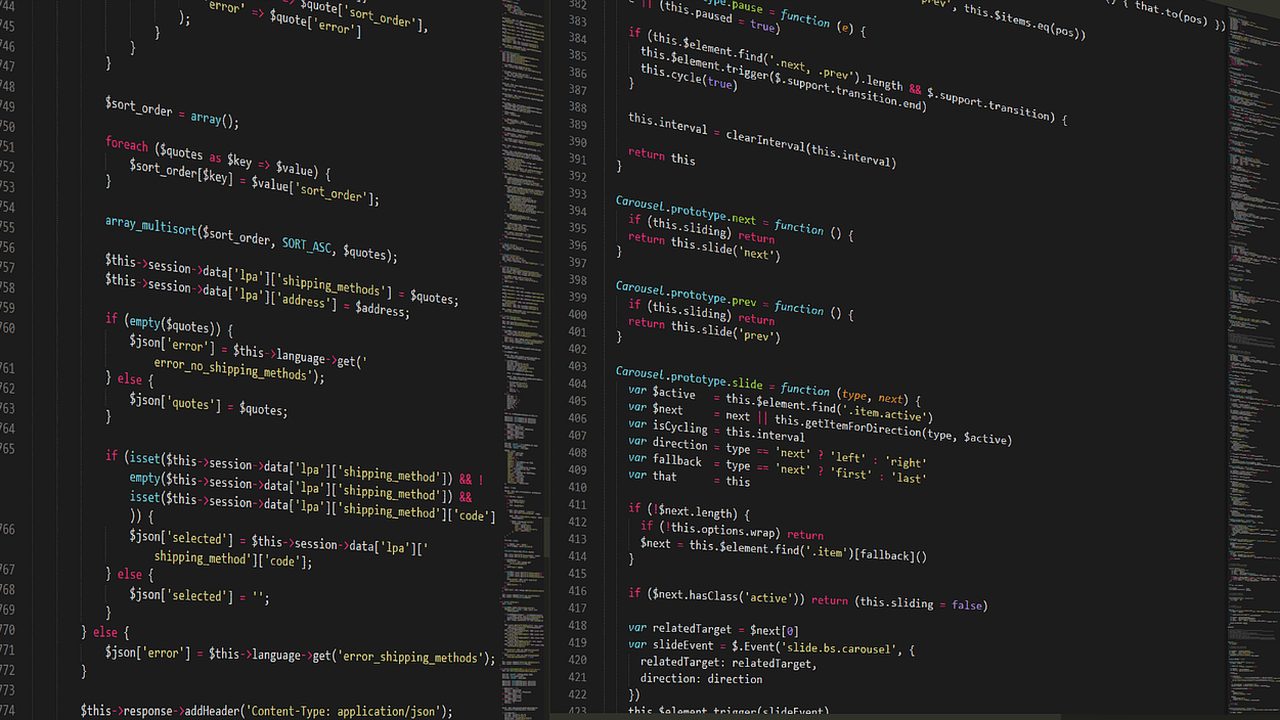
A developer named Nolan Lawson published an analysis this week titled 'The AI Cost of JavaScript Frameworks,' scoring 384 points on HN. His argument: the complexity overhead of modern JavaScript frameworks — React, Vue, Next.js and their ecosystem — now carries a secondary cost beyond build time and bundle size. It makes AI coding assistants significantly less effective.
The mechanism Lawson identifies is representational. AI coding tools work best with patterns that appear abundantly in training data. Standard HTML and vanilla JavaScript do. The specific idioms of a rapidly-evolving framework version do not — meaning the AI makes more mistakes, requires more correction, and produces code that demands more review. The 'AI cost' is measured in prompt-response cycles rather than dollars directly.
The 297-comment HN thread split into three camps. One faction read the analysis as a powerful new argument for simpler web stacks — an AI-era version of the longstanding 'just use vanilla JS' position. A second argued the problem is temporary, dissolving as training data catches up with current framework versions. A third found the most incisive framing: if your AI assistant is less effective on complex idiomatic modern code, that is an AI capability gap, and using it to justify simplifying your stack is like arguing for simpler prose because spell-checkers handle short words better.
Also drawing developer attention: OmniDiff, an open-source Rust-based Git diff tool claiming content-aware semantic understanding of changes rather than line-by-line deltas, scored 258 points with cautiously positive comments. The compression library Nibnib, from graphics researcher Raph Levien, drew notice for benchmark numbers suggesting decompression speeds that significantly outperform existing formats in read-heavy scenarios — a useful tradeoff when compression is infrequent but reads are constant. The Copper programming language, promising modern expressiveness without Rust's borrow-checker complexity or C++'s historical baggage, scored 174 points with the characteristic HN combination of interest and skepticism toward new systems languages.