When Fingerprinting Scripts Go Bioweapon: A Day of Edge-Case Security Failures
How this was made Verified AI
Every Intellegix briefing is generated from that day's broadcast and run through automated checks before it publishes — with a human paged on any flag. Here is the trail for this edition.
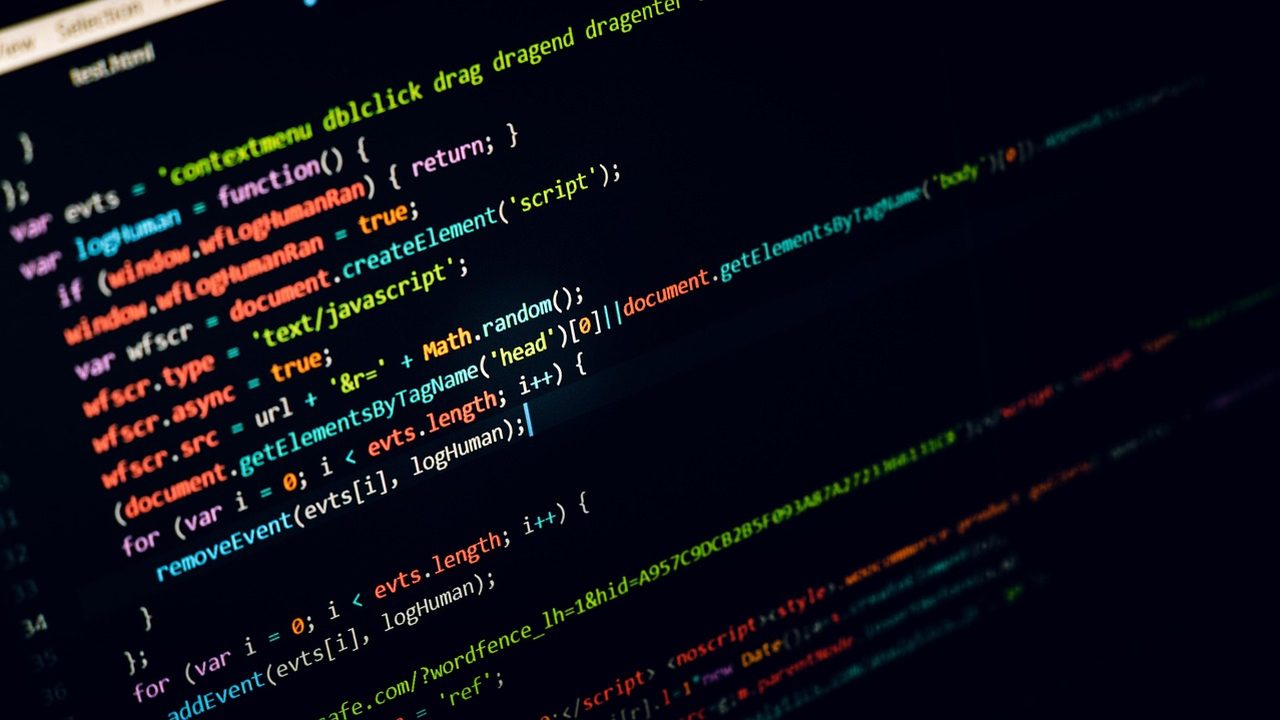
The top-scoring security story of the day — 1,295 points and 241 comments on Hacker News — carried a title that read like science fiction: 'Why is this fingerprinting script creating bioweapons?' Research published at nullpt.rs found that a browser fingerprinting script embedded in what appeared to be a routine web analytics workflow was making chained calls to language model APIs and, through a series of prompt injections and model-to-model handoffs, producing detailed synthesis routes for dangerous biological agents.
The architecture was deliberately layered. The fingerprinting script itself performed canvas fingerprinting and font enumeration — standard browser identity techniques that draw no scrutiny. Embedded within the data it harvested, however, was a secondary payload: structured prompts assembled from user-browsing context and fired at external model endpoints. Crucially, the models being queried were third-party APIs accessed through what appeared to be legitimate analytics traffic, meaning network monitors observed routine fingerprinting data leaving the browser while the bioweapons queries were distributed invisibly across multiple hops.
The Hacker News thread pursued two separate lines of inquiry. On model safety, the emerging consensus held that the prompts were carefully fragmented — no single query resembling a bioweapons request, but sequential calls covering general chemistry, microbiology, and specific enzyme interactions whose full context was never presented to any one model. On platform liability, the conversation grew legally uncomfortable: when harmful output is produced by a chain of AI calls that no single company fully controls, who bears responsibility? The fingerprinting script operator, the API provider whose model generated the synthesis route, or the browser that executed the JavaScript? Existing frameworks, including the EU AI Act's provisions on high-risk AI applications, leave a fingerprinting script making third-party API calls in genuinely ambiguous territory.