Solar Passes Nuclear, but the Cautionary Case Deserves a Hearing
How this was made Verified AI
Every Intellegix briefing is generated from that day's broadcast and run through automated checks before it publishes — with a human paged on any flag. Here is the trail for this edition.
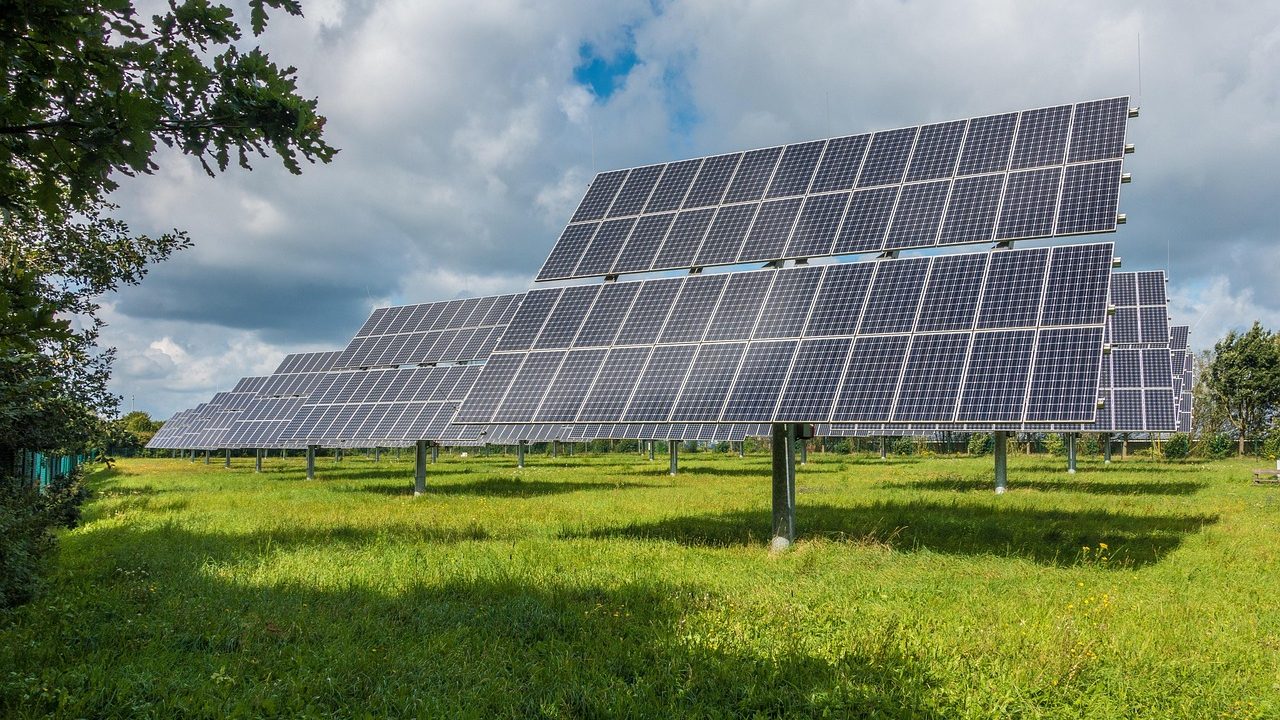
Solar power's global installed capacity has exceeded nuclear for the first time, according to the International Energy Agency. As of mid-2026, the IEA puts global solar at roughly 2,800 gigawatts of installed capacity against nuclear's approximately 2,200 gigawatts — a crossover that arrived faster than most projections from five years ago anticipated, and the story drew 528 HN comments, more than the Anthropic S-1.
The engineering caveat the HN thread kept returning to is capacity factor. Nuclear plants run at roughly 90 percent capacity factor, producing power nearly continuously. Utility-scale solar in favorable locations runs at roughly 25 to 30 percent. On an energy-delivered basis, nuclear still contributes significantly more electricity to the global grid. The installed capacity crossover is real; it is not a one-to-one equivalence. The cost story is more straightforwardly solar-favorable: the levelized cost of electricity from new solar installations has dropped more than 90 percent since 2010, while nuclear new build in Western countries — Hinkley Point C in the UK and the Vogtle expansion in the United States both came in massively over budget — has been getting more expensive.
The bull case for solar rests on assumptions worth stress-testing: that cost curves continue declining, that grid storage solutions arrive on schedule and at projected costs, that supply chains for processed silicon and rare earth elements remain stable, and that geopolitical conditions do not disrupt the Chinese manufacturing base that produces roughly 80 percent of the world's solar panels. Solar panel prices spiked 30 percent during the 2021 supply chain disruptions. The storage question may be the most critical — current lithium-ion grid storage handles four-hour shifting well, but multi-day weather events require technology, such as iron-air batteries from Form Energy, that is not yet deployed at meaningful scale.
The signal to watch, if the optimistic solar timeline is wrong: grid storage deployment costs failing to fall as projected, rising solar curtailment rates as penetration increases without matching storage, and policy pressure to extend the operational life of existing nuclear plants rather than retire them. France and Japan are already moving in that direction.
Adjacent to the energy conversation, the APC photonics manufacturing standards story attracted attention because data center energy consumption is increasingly driven by optical interconnects between servers. Photonic integrated circuits can move data with dramatically less energy than copper-based electronic interconnects, and if APC's proposed standards gain traction, they could accelerate deployment of photonic data centers serving AI training workloads more efficiently. Separately, a hardware engineering piece demonstrated meaningful computer vision inference running on a two-dollar ESP32-S3 microcontroller through hand-tuned SIMD operations — a capability level that could enable agricultural monitoring, wildlife tracking, and low-cost industrial inspection applications previously not economically viable.