Bleached Corals Recover by Touch, Dams Come Down, and Dorito Dust Does Physics
How this was made Verified AI
Every Intellegix briefing is generated from that day's broadcast and run through automated checks before it publishes — with a human paged on any flag. Here is the trail for this edition.
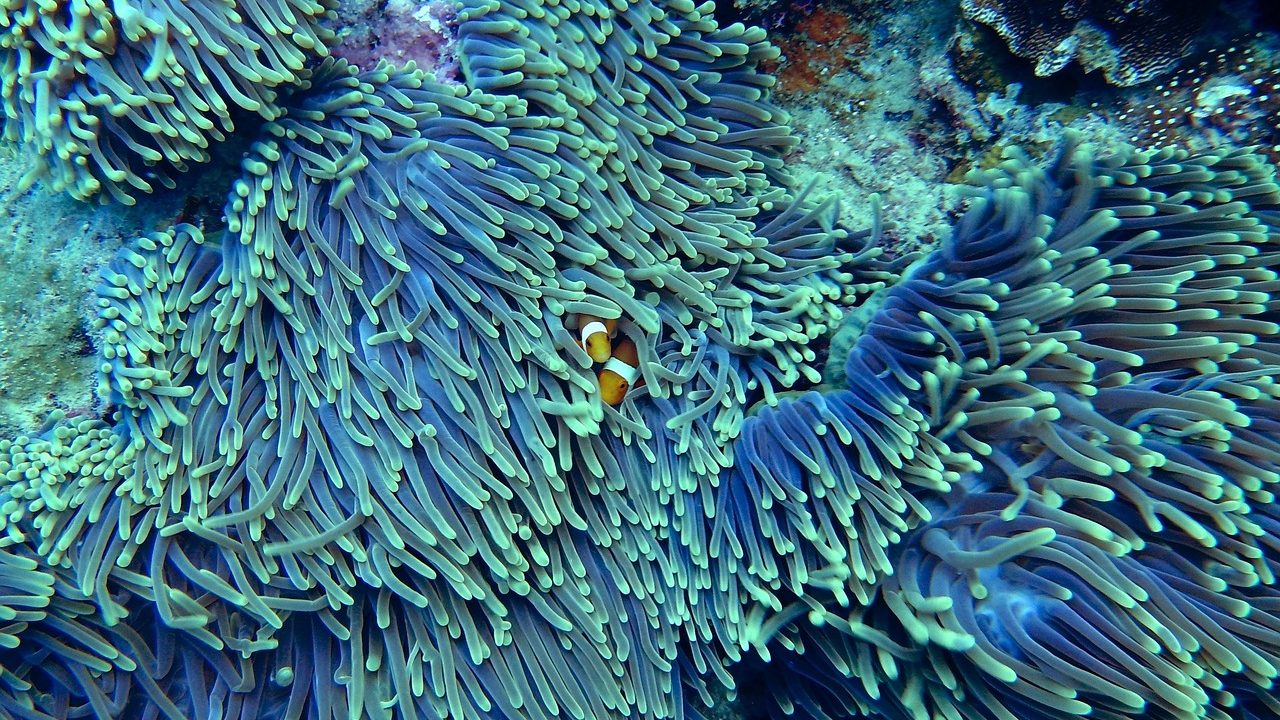
A finding published in Nature drew 472 upvotes and 101 comments on Hacker News: bleached corals — those that have expelled their symbiotic algae under thermal stress and are in a compromised, energy-depleted state — can recover within days when in direct physical contact with healthy neighboring corals. Researchers observed what appears to be a transfer of beneficial microbiota through tissue contact. Marine biologists and restoration ecologists in the comment thread raised appropriate methodological questions about sample size and cross-species generalizability, but the directional implication was widely noted: reef restoration projects could potentially be designed to maximize healthy-to-bleached contact ratios rather than simply replanting healthy specimens in isolation.
A Smithsonian report on dam removals in the northeastern United States generated 286 upvotes and 69 comments with documented evidence of fish population recovery across multiple removal sites. Anadromous species — shad, river herring, and salmon — are returning to rivers that had been blocked for a century or more, in some cases within years of dam removal. The data is strengthening the cost-benefit case for accelerating removal projects elsewhere, particularly for dams that no longer serve their original industrial purpose.
A physics substack post titled 'Making Chicken Transparent Using Dorito Dust' drew 312 upvotes and 82 comments by explaining the optical phenomenon of refractive index matching — the process by which matching the refractive index of a surrounding medium to biological tissue causes the tissue to transmit rather than scatter light — through the observation that certain fat compounds in processed snack foods happen to be effective refractive index matching agents for soft tissue. The author, writing under the handle 'chillphysicsenjoyer,' deployed Beer-Lambert law and Mie scattering in what commenters described as genuinely effective science communication delivered without apology for its absurd framing.
Two smaller items completed the science coverage. A 3D-printed beak fitted to a southern ground hornbill at Artis Zoo in Amsterdam was described as a world first, reflecting how quickly veterinary prosthetics enabled by additive manufacturing have moved from novelty to clinical practice. And Furifont — a Japanese font that renders furigana phonetic guides automatically, embedded in the font itself rather than requiring separate markup — drew 158 upvotes from developers and language learners who described furigana support as a persistent pain point in Japanese-language interface work.