The Physical Internet Is Under Attack — and Dangerously Brittle
How this was made Verified AI
Every Intellegix briefing is generated from that day's broadcast and run through automated checks before it publishes — with a human paged on any flag. Here is the trail for this edition.
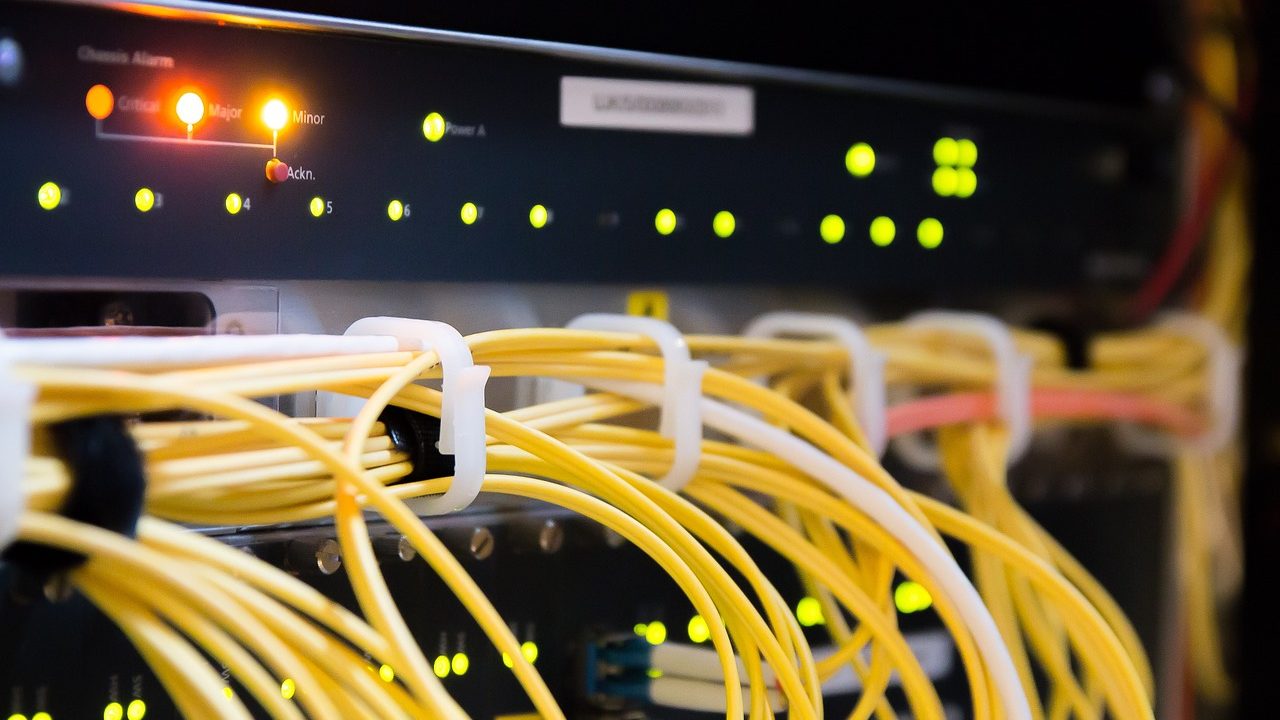
A fire at a Starlink ground station in Bulgaria, reported as suspected sabotage and linked by sources to a related incident in Poland, drew 190 comments on Hacker News — not because the event was isolated, but because it wasn't. The incident fits a documented pattern of infrastructure harassment across NATO's eastern flank that has included undersea cable cuts, rail signaling disruptions in the Baltic states, and GPS jamming over Finland.
Starlink's dual-use nature sits at the heart of the strategic calculus. The network became indispensable to Ukrainian battlefield communications, effectively graduating from a commercial broadband provider to a de facto military asset — one that is legally treated as private property but operationally functions as critical military infrastructure. That jurisdictional ambiguity complicates any formal response.
A simultaneously published analysis from APNIC sharpened the stakes. The report found that while the global submarine cable network carries significant redundant capacity in aggregate, its routing is far more concentrated than capacity figures imply. Six cables landing at the same coastal facility means a single event can eliminate sixty percent of regional bandwidth. Compounding the vulnerability: the global repair fleet numbers roughly forty specialized ships worldwide, creating a strategic queue when multiple cuts occur simultaneously — precisely the scenario seen in recent Red Sea and Baltic incidents.
Data published on Cloudflare's blog about the Yandex outage added a third, unsettling dimension. When Yandex suffered a major network failure, the malicious bot traffic that had been routing through its infrastructure did not disappear — it relocated, almost immediately, to other networks. The implication is that sophisticated adversarial bot operations have automated failover built in, mirroring the redundancy engineering of legitimate content delivery networks. Together, the three stories — Starlink sabotage, cable fragility, and bot resilience — describe an information warfare environment where physical and digital attacks are coordinated to stay below the threshold of a formal military response while cumulatively degrading an adversary's communications.