Supermarket Freezers as Weapons: The Cyberattack Rewriting Cold Chain Risk
How this was made Verified AI
Every Intellegix briefing is generated from that day's broadcast and run through automated checks before it publishes — with a human paged on any flag. Here is the trail for this edition.
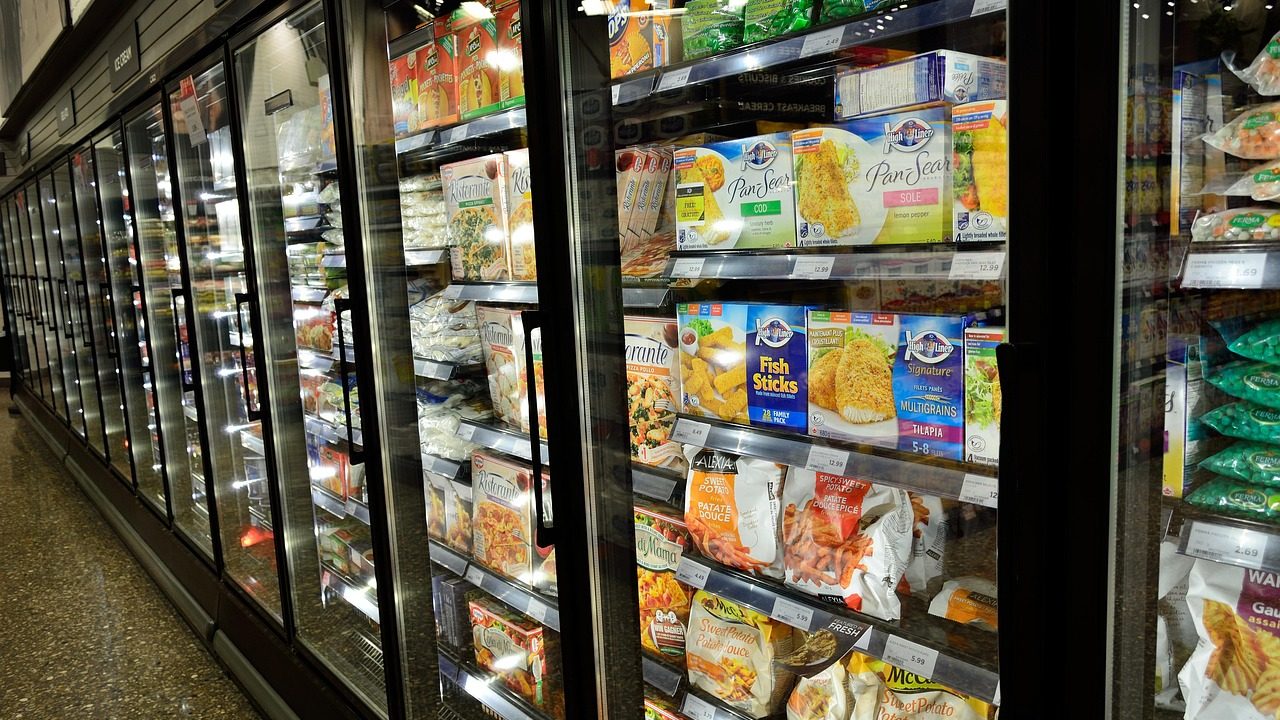
The top story by engagement on Tuesday — 733 points and closing in on 850 comments — described a cyberattack that triggered automatic defrosting cycles across refrigeration banks in supermarkets spread across multiple European countries. Temperatures rose throughout entire cold sections, spoiling perishables and forcing stores to pull product from shelves. Delivery pricing and in-store pricing systems were also reportedly hit in what appeared to be a coordinated, multi-vector operation.
The attack surface is rooted in how modern commercial refrigeration is managed. Supermarket cooling systems typically run on building management systems — network-connected controllers that handle temperature, lighting, HVAC, and energy consumption simultaneously. These systems frequently rely on industrial control protocols designed for closed networks and never hardened for internet-exposed operation. Multiple contributors to the Hacker News thread with direct experience in the sector described them as alarmingly accessible once an attacker reaches the correct network segment.
The financial exposure is concrete. A large European supermarket location may carry fifty to eighty thousand euros worth of temperature-sensitive product — fresh meat, dairy, prepared foods, and in some cases pharmaceuticals. Across thirty locations, direct product loss alone could run into the millions before accounting for labor costs, mandatory regulatory reporting, and reputational damage from visibly empty cases. A 2023 ENISA report had specifically flagged food logistics as an underprotected critical sector, noting that the firms managing these systems often lack software security as a core competency.
Several engineers in the thread questioned whether the attack's true purpose was financial at all. The absence of accompanying ransom demands, combined with the demonstration of reach across multiple operators and multiple countries through what may be a single vulnerability in a widely deployed vendor's software, suggested to some commenters that this resembled a reconnaissance strike more than opportunistic crime. European critical infrastructure has faced elevated threat levels since 2022, and attacks targeting food supply chains present an asymmetric pressure that is both harder to attribute and harder to defend against publicly than strikes on power grids.
A structural vulnerability highlighted in the thread compounds the risk: the building management systems connecting these refrigerators are often installed and managed by third-party contractors who hold network credentials the retailer does not fully audit. The supermarket chain may consider itself the operator while actual system access flows through a heating and cooling contractor in a different country with its own IT posture — supply chain risk in the most literal sense.