Longevity as a Value: LineageOS, IRC, Nitter, Retro Hardware, and Knuth's Bug Bounty
How this was made Verified AI
Every Intellegix briefing is generated from that day's broadcast and run through automated checks before it publishes — with a human paged on any flag. Here is the trail for this edition.
LineageOS 24.0, based on Android 15, arrived this week with official support for dozens of devices whose manufacturers stopped issuing updates in 2022 and 2023. The community-maintained Android fork separates hardware lifetime from corporate software support cycles, allowing phones whose processors, cameras, and displays remain fully functional to receive current software years beyond manufacturer abandonment. Commenters noted the environmental dimension: mobile device manufacturing carries a substantial footprint in rare earth metals, water usage, and shipping, and each device that operates for additional years because of LineageOS represents avoided impact.
IRCv3 surfaced with 89 points in a finding many observers characterized as counterintuitive: the Internet Relay Chat protocol, which dates to 1988, is attracting renewed interest. The IRCv3 working group has been modernizing the specification since around 2012, adding message history, typing indicators, rich metadata, and improved authentication. The immediate driver, according to commenters, is fatigue with Slack and Discord — commercial platforms subject to pricing changes and terms-of-service revisions that a self-hosted, federated IRC server is not. IRCv3 extensions have reportedly narrowed the user experience gap with commercial platforms considerably.
Nitter, the privacy-focused frontend that allows users to read public tweets without exposing browsing patterns to Twitter's ad infrastructure, published an update on October 10th describing a funding and legal crisis. Twitter's API access restrictions beginning in 2023 and sustained legal pressure have squeezed the project for years. The legal questions turn on whether Nitter's fetching and display of publicly available content constitutes transformative use, a question that different jurisdictions treat differently; the EU's stronger consumer rights provisions may offer some protection, though that remains uncertain territory.
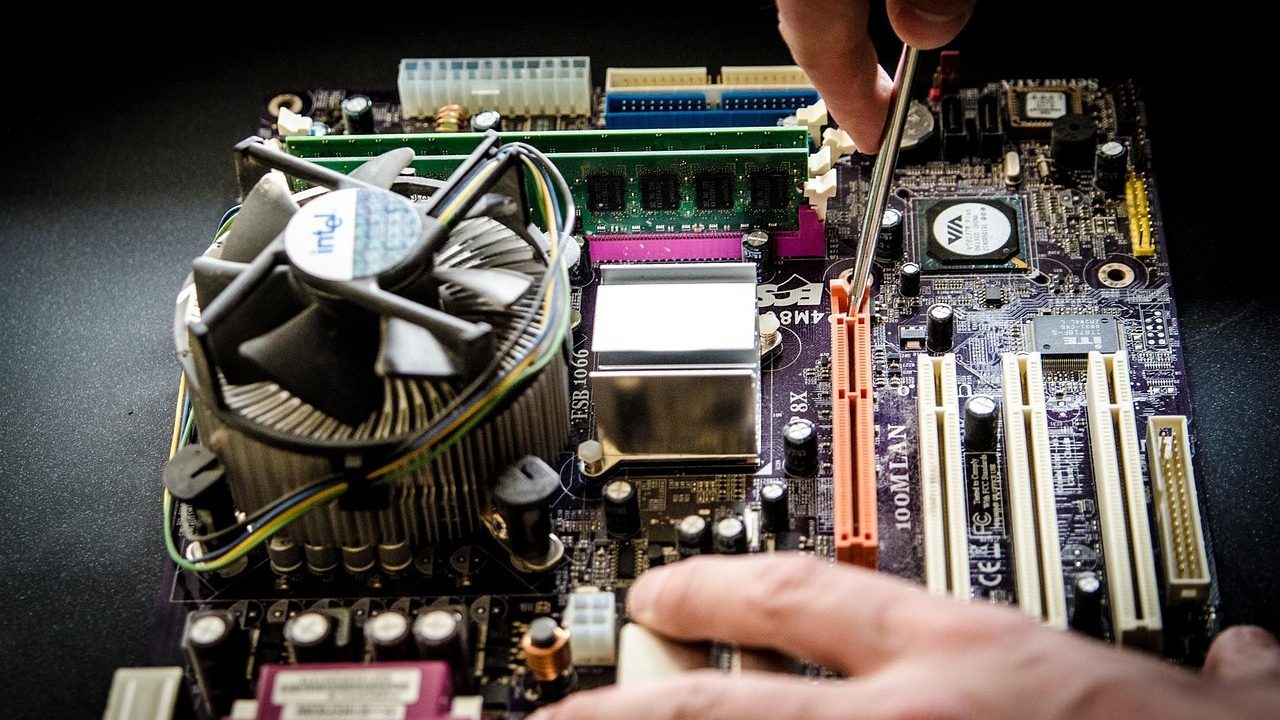
In hardware, the PSPi 6 — a Raspberry Pi Zero 2 W fitted into a PlayStation Portable shell using the original device's screen, battery, buttons, and audio hardware — drew 98 points across its sixth and reportedly most polished iteration. More commercially significant was a report that DDR4 RAM is experiencing an unexpected market revival: DDR5 shortages and price premiums are pushing consumer and enterprise buyers back toward DDR4 platforms, which both Intel and AMD still support. The price delta between the standards is reportedly widening rather than narrowing, making the older specification a deliberate rather than reluctant choice for some buyers.
The most emotionally resonant post of the day may have been a researcher's account of finding an error in Donald Knuth's The Art of Computer Programming, receiving one of Knuth's famous small reward checks — $2.56 in this case — and choosing not to cash it. The post drew 198 points and a comment thread filled with readers sharing their own Knuth check experiences. The tradition, which Knuth has maintained for decades, functions as a standing public bounty for corrections — a signal, as several commenters noted, that precision matters, errors matter, and the person who finds a mistake is performing a service.