Delhi's Grid Miracle, Vermont's Battery Gambit, and America's First SMR Permit
How this was made Verified AI
Every Intellegix briefing is generated from that day's broadcast and run through automated checks before it publishes — with a human paged on any flag. Here is the trail for this edition.
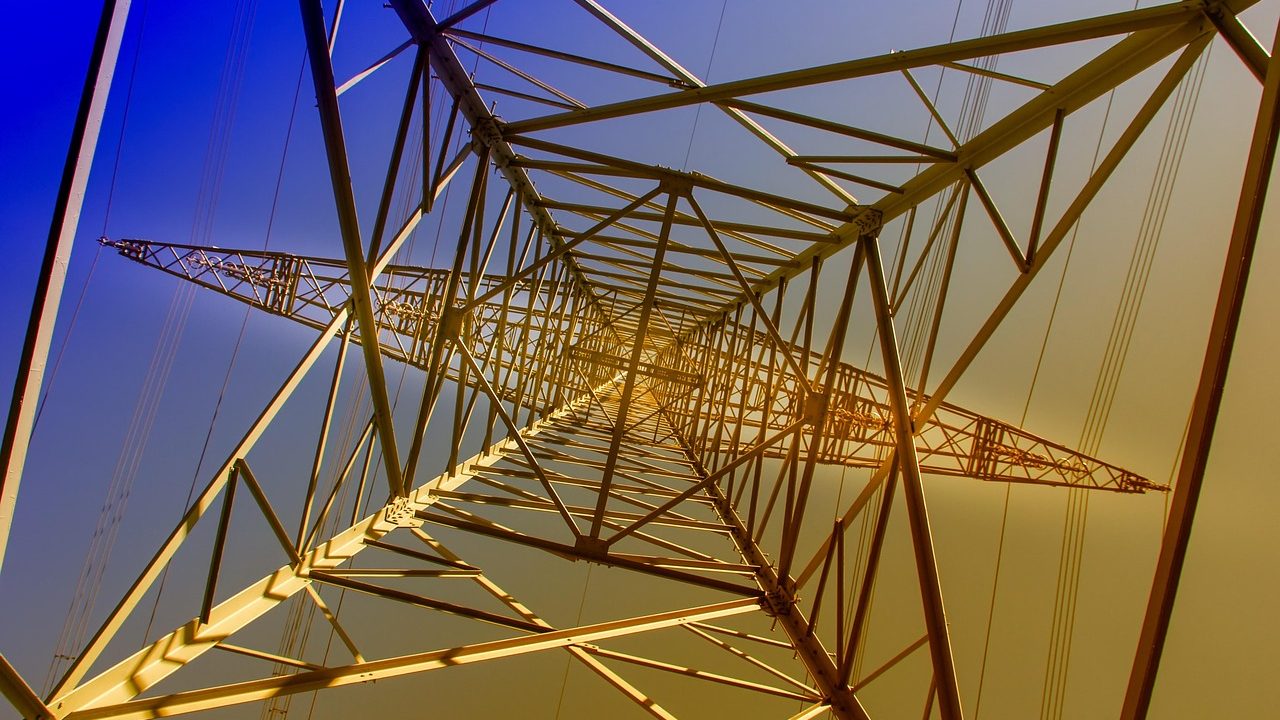
In the early 2000s, Delhi was losing roughly half its generated electricity to transmission and distribution before it reached paying customers. By most accounts that figure now stands at around five percent — a forty-five percentage point reduction detailed in an IEEE Spectrum piece that drew 534 points and nearly 300 comments on Hacker News. The turnaround involved privatization of distribution companies, smart metering, anti-theft enforcement, and consumer billing reforms designed to make paying an electricity bill the path of least resistance. None of the individual interventions was technically exotic; the difficulty, as commenters noted, was political and institutional.
Vermont offers a different answer to grid reliability. A BBC Future piece described Green Mountain Power's virtual power plant, in which home batteries enrolled by residential customers are aggregated and dispatched by the utility during high-demand periods — functioning like a distributed peaker plant without requiring new centralized generation. The utility subsidizes battery purchases in exchange for dispatch rights; customers receive backup power and lower rates; and the grid gains flexibility. Vermont has reportedly kept the lights on during multiple storms using this infrastructure.
The scalability question dominated the Hacker News discussion. Vermont has roughly 650,000 residents, a manageable regulatory environment, and partly predictable weather. Replicating the model in California, with forty million people, or in Texas, with its structurally distinct grid, would involve political and regulatory complexity that does not scale linearly.
The Nuclear Regulatory Commission's decision to issue the first U.S. construction permit for a small modular reactor addresses the same underlying question through a third approach. GE Vernova's BWRX-300 — a boiling water design scaled to approximately 300 megawatts of electrical output — received the permit for TVA's Clinch River site in Tennessee. The BWRX-300's design philosophy centers on modularity: factory-manufactured components, standardized site preparation, and the ability to add units incrementally rather than committing to a single large capital expenditure. The permit is not a final operating license, and NuScale's recent difficulties cast a shadow over SMR timelines broadly, but it represents the regulatory pathway functioning for at least one new reactor architecture.
All three stories, taken together, represent distinct bets on where grid reliability comes from: fixing waste in existing infrastructure, distributing and aggregating residential generation, or building new firm baseload capacity without carbon emissions. The more useful question, as one analysis framed it, is not which approach is correct but which combination can actually be deployed given the political economy of a specific place.