SIMD, Mechanical Sympathy, and a Guitar Pedal That Has No Right to Exist
How this was made Verified AI
Every Intellegix briefing is generated from that day's broadcast and run through automated checks before it publishes — with a human paged on any flag. Here is the trail for this edition.
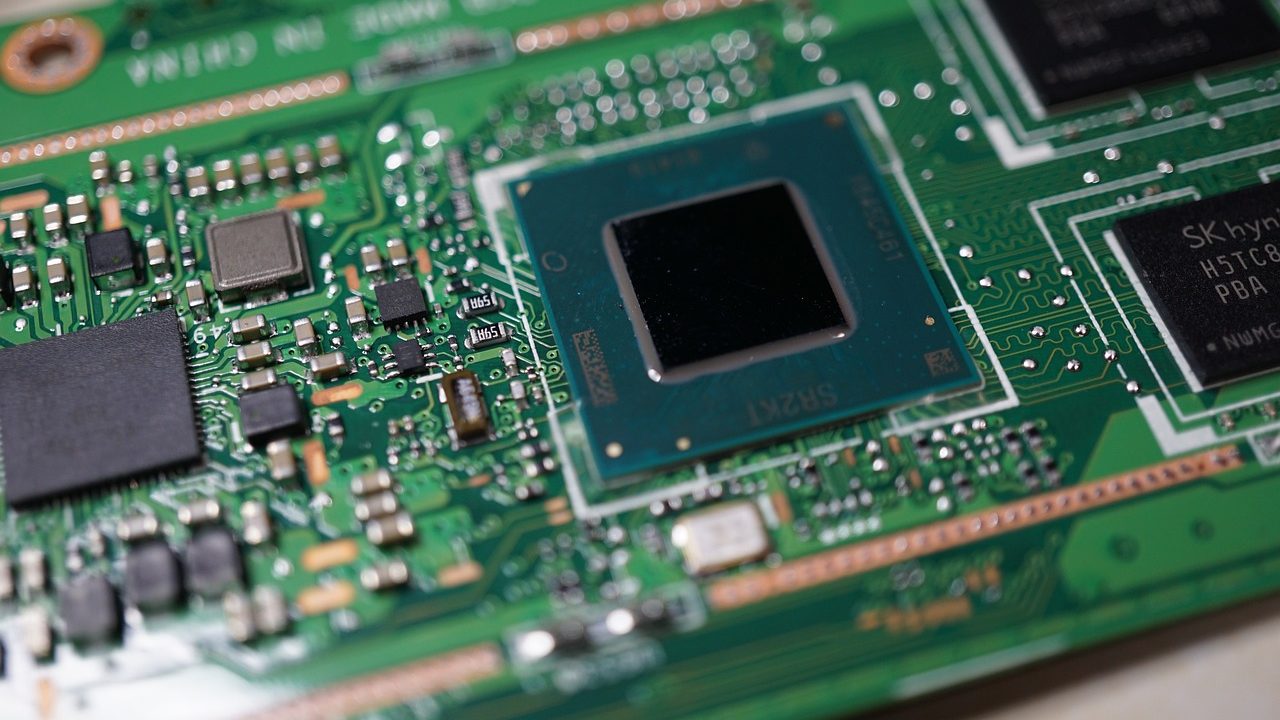
A state-of-the-ecosystem report on SIMD in Rust — Single Instruction, Multiple Data, the CPU technique that processes multiple data elements per instruction and underlies high-performance video encoding, cryptography, and machine learning inference — drew 164 points. The author, Shnatsel, is a well-known Rust contributor whose credibility lent the report weight. The assessment: the situation has improved substantially since 2024, with the `std::simd` module stabilizing more of its surface area, but friction points remain. Cases still exist where dropping to platform-specific intrinsics is necessary to achieve target performance, and the author is candid about where abstractions leak. Compared to C++, where the equivalent situation is arguably worse, Rust's SIMD story is characterized as complicated but better documented and safer by default.
A conference talk on deterministic concurrency examined a subtle distinction: the difference between concurrent programs that produce correct results and those that produce the same results every time they run. Most concurrent programs are correct but non-deterministic — identical inputs may produce different execution orderings and, in some cases, different outputs. Deterministic concurrency frameworks attempt to eliminate that variability, a goal with significant implications for testing and debugging. A companion video on functional mechanical sympathy — drawing on Martin Thompson's phrase, itself borrowed from racing driver Jackie Stewart's philosophy — argued that understanding cache hierarchies, branch prediction, and memory access patterns changes how code is written at a fundamental level.
Alan Kay's Hacker News answer to whether ENIAC had a BIOS drew 144 points. The short answer is no — the concept of separating firmware from hardware was a later development — but Kay uses the question to illuminate what the engineers building ENIAC did and didn't understand, a window into a period of computing history in which many foundational concepts had not yet been named, let alone formalized.
The Coyopedal project — a guitar amplifier and effects pedal built on a Waveshare ESP32-S3-Touch-AMOLED-2.06 microcontroller — earned 93 points and the kind of comments that justify Hacker News's reputation for technical depth. The project runs DSP algorithms for distortion, reverb, and delay on what is essentially an embedded chip with a touchscreen, and several guitarists in the comment thread reported that latency is low enough to be playable. A weekend project combining hardware, embedded software, and audio signal processing, shared openly: the precise category of work the community was built to celebrate.
The self-hosting-on-the-dark-web guide, at 219 points, made a thoughtful case that running a personal website as a Tor hidden service is a form of genuine infrastructure resilience — protection against DNS seizure and hosting terms of service — rather than merely a tool for bad actors. The essay covers operational security considerations and performance characteristics alongside the argument that censorship resistance and platform independence are legitimate goals for any serious operator of personal infrastructure.