Japan Bets on Semiconductor Sovereignty as ARM's Rise Exposes x86's Emulation Ceiling
How this was made Verified AI
Every Intellegix briefing is generated from that day's broadcast and run through automated checks before it publishes — with a human paged on any flag. Here is the trail for this edition.
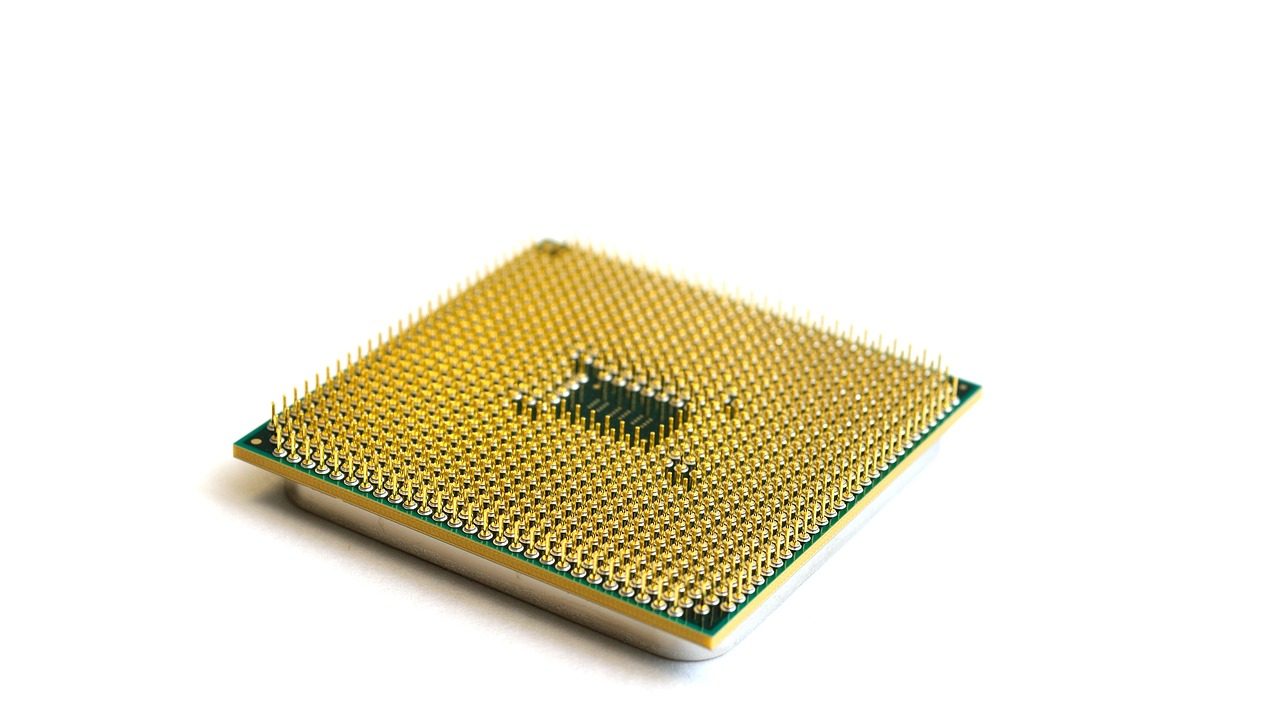
Fujitsu's announcement of FUJITSU-MONAKA, described as a made-in-Japan next-generation CPU, was among the highest-scoring stories of the day at 604 points and 234 comments. The chip is explicitly framed around domestic semiconductor production — a strategic priority with direct relevance to the geopolitics of chip supply chains. Fujitsu's prior work in high-performance computing, including the A64FX processor that powered the Fugaku supercomputer through multiple consecutive top rankings on the TOP500 list, establishes the company as a credible entrant rather than a promotional exercise. MONAKA appears to build on that ARM-based architecture heritage, with the geopolitical motivation clear: Japan assessed its supply-chain dependence after the pandemic and after Taiwan Strait tensions, and concluded that concentration in a small number of fabrication facilities creates unacceptable strategic risk.
Several commenters with semiconductor backgrounds noted that Fujitsu's approach to memory bandwidth and vector processing in MONAKA reflects lessons drawn from A64FX deployment in scientific computing. Whether the chip can compete commercially outside HPC and government procurement remains a separate question from its technical merit, and the HN consensus appeared to find it genuinely impressive on the technical dimension. As a long-horizon story, semiconductor sovereignty produces competitive chips on a five-to-ten-year timeline rather than a quarterly one; the existence of a credible made-in-Japan next-generation CPU is itself a signal about where Japan's technology policy expects geopolitical competition to land in 2030.
The rise of capable ARM chips — MONAKA, Apple Silicon, Qualcomm's Snapdragon X series — sharpens a problem documented in a candid post from fex-emu.com titled 'The Scourge of Emulation,' which drew 165 points and 31 comments. x86 has decades of assumed behaviors embedded in its instruction set: memory ordering semantics, floating-point edge cases, self-modifying code. ARM does not replicate these natively, and emulating them correctly imposes significant performance overhead. The author enumerates specific categories of emulation overhead that are difficult to eliminate without hardware assistance, and contributors who work on FEX and related projects detailed the engineering tradeoffs in the comment thread.
Jemalloc 5.4.0, a long-anticipated release of the memory allocator used in production by Firefox, FreeBSD, and numerous performance-sensitive systems, arrived with 175 points and 49 comments. Originally developed by Jason Evans at Facebook, jemalloc's innovations in thread-local caching and arena-based allocation reduce lock contention in multithreaded programs in ways that matter substantially at scale. The release drew a mix of practitioners waiting on specific bug fixes and commenters providing historical context for why the allocator became foundational infrastructure. Also noted: a post from sam.dev on accelerating gearhash — a rolling hash algorithm used in content-defined chunking for backup and deduplication systems — using ARM64 NEON SIMD instructions, representing the category of careful, platform-specific optimization work that compounds into meaningful infrastructure performance over time.