Apple's Neural Engine Cracked Open, ClickHouse Tested at Petabyte Scale
How this was made Verified AI
Every Intellegix briefing is generated from that day's broadcast and run through automated checks before it publishes — with a human paged on any flag. Here is the trail for this edition.
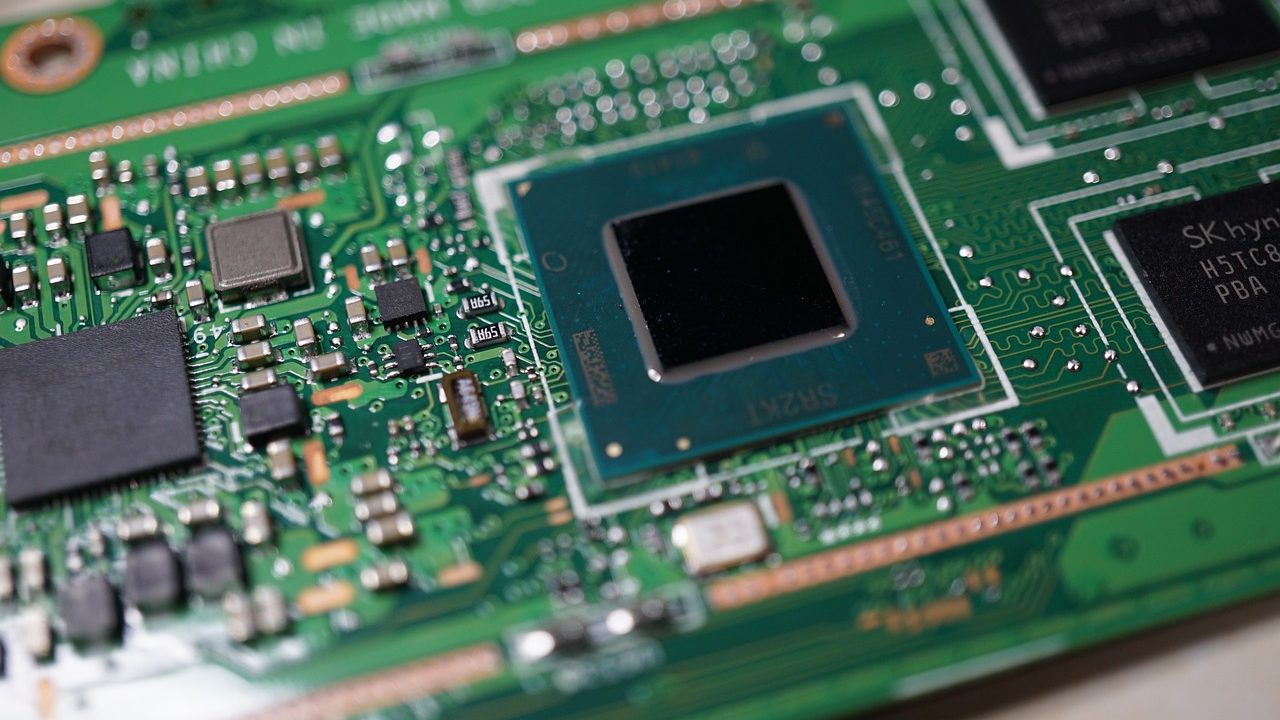
A retrospective reverse-engineering of Apple's Neural Engine, published at eiln.github.io, is drawing attention for its methodology: the author worked backward from Apple Silicon documentation, hardware behavior, and compiled ML frameworks to reconstruct how the ANE schedules operations, handles quantization, and manages the boundary between CPU, GPU, and dedicated neural compute fabric — at a level of detail Apple has never published. HN commenters working in ML compilers noted specific places where the reconstruction aligns with behavior they have observed empirically.
Apple's decision to keep the ANE architecture proprietary has real market consequences. Developers building ML frameworks or optimizing models for on-device inference on Apple hardware operate with significantly less information than they would have on comparable hardware from vendors who publish architecture details. The community-driven reverse engineering partially fills that gap, while simultaneously highlighting how much competitive moat is built on opacity rather than genuine architectural superiority.
A ClickHouse operations piece — 'I've Operated Petabyte-Scale ClickHouse Clusters for Five Years,' written by an author from Tinybird — earned 225 points and 80 comments with insights that are, by multiple accounts, hard-won. The post covers how compression ratios change at scale in ways that affect storage cost projections, how replication lag compounds under specific query patterns, and where ClickHouse's architectural assumptions about workload distributions break down in production. Several commenters noted specific recommendations that corrected misconceptions they had been operating under.
The async/await design space paper from Brown University's computer science department, receiving 304 points, represents a genuine academic contribution: the authors enumerate the design choices embedded in async/await as a programming model, identify the alternatives available at each decision point, and analyze what the field gave up and gained by converging on the current approach. The HN comment thread engages seriously with the tension between structured concurrency — as implemented in Python's Trio and Swift's concurrency model — and the traditional callback-to-async transformation, and the recurring tradeoff between developer ergonomics and formal analyzability. A separate Google Project Zero post on race condition testing, using an approach they call MacCConc, offers a methodological contribution to one of concurrent programming's most persistent problems: making intermittent scheduling-dependent bugs reliably reproducible in a test environment.