Coastal Flood Advisories, Padres Postseason, and a Week of Consequential Local Decisions Define Monday in San Diego
A Coastal Flood Advisory stretching through Wednesday evening, a Padres Wild Card Series opener against the Chicago Cubs, and a final City Council ruling on a Rancho Peñasquitos housing dispute make September 28, 2026 one of the more consequential Mondays San Diego has seen in recent weeks.

“In a best-of-three playoff format specifically designed for volatility, home-field advantage has historically been one of the weaker predictors of advancement compared to pitching matchups and recent form.”
How this was made Verified AI
Every Intellegix briefing is generated from that day's broadcast and run through automated checks before it publishes — with a human paged on any flag. Here is the trail for this edition.
Ocean Sets the Agenda as Multiple Weather Advisories Converge on the County

The National Weather Service activated a full suite of simultaneous advisories for San Diego County early Monday morning — Coastal Flood, High Surf, Small Craft, Wind, and Beach Hazards — all running concurrently through at least Wednesday evening. The mechanism is tropical moisture from the remnants of Hurricane Polo interacting with a separate storm system to the north, generating elevated surf of three to five feet with locally larger sets on south-facing beaches and morning high tides reaching six-point-seven to seven feet.
Tuesday morning represents the most dangerous window of the advisory period, which forecasters describe as the highest-tide period of the entire event. Officials are warning specifically about low-lying roads, beach parking areas, harbor-adjacent streets, and exposed shoreline paths — cautioning that minor coastal flooding can appear deceptively passable before trapping a vehicle in water of unknown depth. Emergency managers are direct: do not bypass barricades, do not drive through standing water near the coast.
The same weather system is bringing widespread cloud cover and the possibility of spotty light showers, particularly in the mountains. Central San Diego is projected to reach a high near seventy-nine Monday and around eighty Tuesday, with overnight lows settling in the low-to-mid sixties. The mild pattern represents a dramatic contrast from just days earlier, when record highs of one-hundred-fourteen degrees in Ramona and one-hundred-twelve in Escondido were reported. That heat episode has broken, though inland and mountain residents are advised to continue monitoring conditions as the weather pattern shifts.
On Sunday, thousands marched through Balboa Park for migrants' and refugees' dignity, coinciding with the World Day of Migrants and Refugees. The interfaith march was organized not by a single advocacy group but by a coalition of religious congregations — a detail that reflects how broadly the federal immigration enforcement conversation has spread through San Diego's community institutions amid heightened concern over enforcement activity in the region.
Padres Lock In Home-Field Advantage for Wild Card Series Against the Cubs

San Diego closed its regular season Sunday with a nine-to-four win over the Arizona Diamondbacks, finishing at ninety-one wins and seventy-one losses — good for second in the NL West and the number four seed in the National League playoff bracket. Austin Hays went two-for-four with two RBIs and two runs scored, Freddy Fermin contributed two hits including a double and drove in three, Gavin Sheets hit a solo home run, and Randy Vásquez delivered six innings of one-run ball on three hits.
The Padres' opponent in the best-of-three Wild Card Series is the number five Chicago Cubs, who finished eighty-nine and seventy-three. As the higher seed, San Diego hosts every potential game of the series at Petco Park. Game 1 is Tuesday, September 29, at seven p.m. PT, with Game 2 scheduled for Wednesday the thirtieth at the same time. A deciding Game 3, if necessary, would be played Thursday, October 1. Both Games 1 and 2 air on Peacock and NBCSN.
Should the Padres advance, they would open the National League Division Series in Milwaukee — making the next four to five days potentially among the most consequential in the franchise's recent history.
City Council Convenes Special Session on Housing Appeal With Final Authority

Council President Joe LaCava called a special San Diego City Council meeting for Monday, structured in two parts: a closed session with public comment beginning at ten a.m., followed by a public hearing reconvening at two p.m. The focal point of the afternoon session is an appeal challenging a residential project at eleven-three-seven-zero Paymogo Court in Rancho Peñasquitos — a proposed twenty-six-hundred-and-fifty-three-square-foot single-family dwelling built over a garage, along with associated site improvements.
The appeal centers on the project's environmental determination, with the challenger arguing that removing trees on the site could harm habitat used by birds and other wildlife. The developer cleared the standard environmental review process; the appeal contends the habitat analysis did not go far enough. What gives the hearing particular weight is that the Council's ruling is final — there is no further step in the process. Whatever the Council decides at two p.m. is the outcome. The session can be followed live on CityTV, Cox or Spectrum Channel 24, AT&T U-verse Channel 99, or the City's online stream.
The Council's fourteen-item consent agenda includes appointments and reappointments to the Commission on Gang Prevention and Intervention, the San Diego City Employees' Retirement System Board of Administration, the Senior Affairs Advisory Board, the Youth Commission, and the Climate Advisory Board. The County Board of Supervisors has no scheduled meetings this week; its next expected sessions are Tuesday, October 6, for the General Legislative Session and Wednesday, October 7, for Land Use, both at the County Administration Center on Pacific Highway.
A separate government development emerged over the weekend from National City. Councilmember Jose Rodriguez — also a mayoral candidate — joined labor groups in filing a formal petition for a March 2028 ballot initiative that would replace the city's business-license tax with a gross-receipts tax structure. The move follows an August attempt by the National City Council to advance a similar approach that failed after pushback from the business community. Rodriguez and his labor partners are now taking the measure directly to voters, setting up a sustained political fight likely to run parallel to the mayoral race over the next eighteen months.
Flex Office Doubles Downtown While Housing Prices Near a Million-Dollar Median

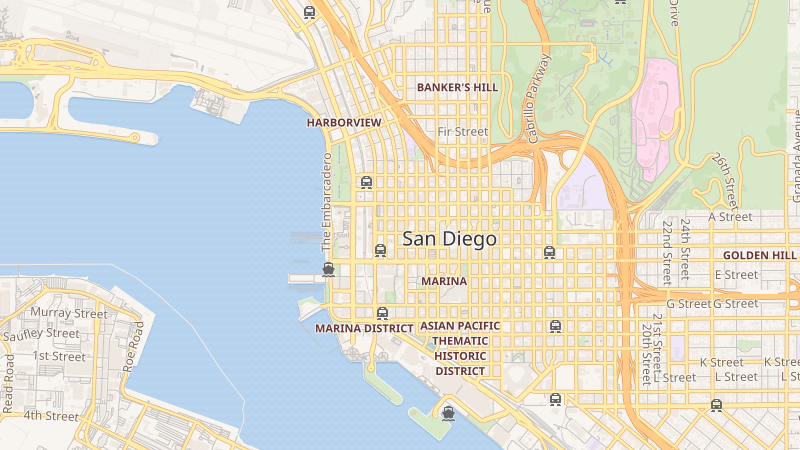
CBRE's Industrious brand and its partner GANMI plan to add approximately twenty-seven thousand square feet at Core Columbia, located at four-oh-one West A Street in downtown San Diego — roughly doubling Industrious' presence at that address to fifty-four thousand square feet total. The expansion includes three-hundred-and-five office seats and fifty access seats, with an expected opening in June 2027. The move signals that flexible, membership-based office space continues to outperform traditional long-term leases in San Diego's downtown core, with companies that downsized dedicated footprints increasingly relying on flex operators as a middle ground.
In South County, Sudberry Properties secured an eighty-one-point-six million dollar refinancing for its business-park holdings in Chula Vista. Refinancing at that scale in the current interest-rate environment reflects lender confidence in the long-term value of Chula Vista's industrial and commercial corridor.
On the residential side, a recent market report cited a county median home sale price of nine-hundred-sixty-one-thousand-seven-hundred-eighty-one dollars in August, up five-point-seven percent year over year, with more than one third of homes reportedly selling above asking price. That figure is an industry-sourced statistic rather than an official government measure, and should be treated as directional. Separately, Case-Shiller data suggests San Diego home prices have risen ten-point-three percent over the past year — among the stronger metro-level appreciation figures nationally.
The tension embedded in those numbers is significant: asset prices rising at double-digit annual rates while elevated interest rates price much of the workforce out of the market. Some estimates track single-family home prices closer to one-point-zero-nine million dollars. That structural gap shapes everything from recruitment and retention to the political debates over business taxation and affordable housing programs playing out simultaneously across the county.
Measure Y Debate Intensifies in Santee as Valhalla Threat Case Reaches Resolution

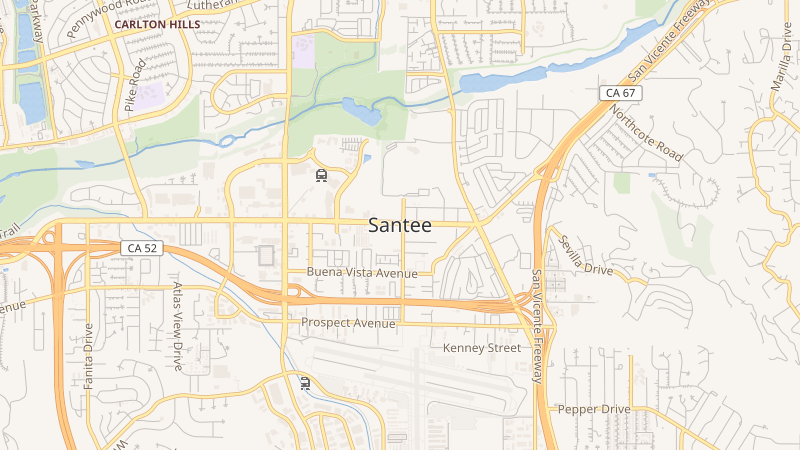
With November approaching, the most consequential local issue in Santee is Measure Y — a proposed one-cent general sales-tax increase on the ballot that, if approved by a simple majority, would raise the city's sales-tax rate from seven-point-seven-five percent to eight-point-seven-five percent. The city projects the temporary, ten-year measure would generate roughly fourteen million dollars annually, intended to address more than three hundred million dollars in deferred infrastructure needs covering streets, storm drains, bridges, parks, and fire-station requirements. Groceries, prescription medicine, and diapers would remain exempt.
The San Diego County Taxpayers Association has endorsed the measure — an unusual stance for a tax watchdog group that lends the campaign cross-partisan credibility. The principal dissent from within City Hall came from Councilmember Ronn Hall, who cast the sole vote against placing the full one-cent increase on the ballot in June, arguing that the city had considered and abandoned a half-cent option. That debate over the size of the ask versus the scale of the infrastructure need is expected to intensify as campaign mailers and public forums ramp up.
In East County public safety, a thirty-seven-year-old North Park man was arrested after investigators determined he had mailed threats to Valhalla High School in the unincorporated El Cajon area. Sheriff's officials confirmed there is no current threat to the school or the broader community, providing closure for families throughout the Grossmont Union High School District area. The case now moves through the courts.
Also in the East County, authorities announced a third arrest in a months-long Lemon Grove assault investigation involving a man who was knocked unconscious and two women who were attacked. The arrest, announced September 24th, marks the final stage of an investigation that spanned most of the year. On the community calendar, Tuesday brings Plant Stake Craft and Plant Bingo at BNS Brewing and Distillery on Wheatlands Avenue in Santee, and Wednesday features the City of Santee's AARP Music and Health Jam Session for seniors fifty-five and older at ten a.m.
Schools Notch a Fundraising Milestone and a National Safety Award — While Federal Bilingual Policy Stirs Debate

The San Diego County Office of Education's Stuff the Bus school-supply campaign surpassed its one-hundred-thousand-dollar fundraising goal, ultimately raising one-hundred-fifteen-thousand-two-hundred-and-thirty-six dollars — enough to fill nearly eight-thousand-nine-hundred backpacks for students experiencing homelessness. The result was published September 25th. In a county where housing instability is a structural challenge, the tangible outcome of nearly nine thousand students starting the year with proper school supplies marks a meaningful community achievement.
SDCOE also received the 2025 FBI Director's Leadership Award for its work prioritizing safety and security across the county's K-through-12 community — a federal recognition of the county office's approach to school safety infrastructure, protocols, and inter-agency coordination.
On facilities funding, multiple San Diego County school districts are seeking voter support for construction bonds. The clearest reported case is Measure L, a twenty-three-million-dollar bond proposal tied to building a new high school in one of the county's more sprawling rural districts. School facilities bonds typically require a fifty-five-percent supermajority, and they often represent the only mechanism rural districts have to fund capital construction.
A proposed federal rule that would move Head Start programs toward English-only instruction remains open for public comment through October sixth. Staff at a Vista Head Start program have spoken out publicly, telling KPBS that bilingual English-Spanish instruction helps very young children — among the most vulnerable in the education system — feel secure and confident. The comment window closes in nine days.
Tonight's community calendar includes the Mental Wellness for Artists Resource Fair, Youth Edition, at the Mingei International Museum in Balboa Park from five to eight p.m. and listed as free admission, the Coronado School of the Arts Instrumental Music Fall Recital at the Black Box Theatre at 650 D Avenue with tickets from five to ten dollars, and the District 2 candidates forum at the Conference Center at Liberty Station, hosted by the Point Loma Association and the League of Women Voters of San Diego. Separately, Billy Strings performs at Pechanga Arena at seven-thirty p.m. in a sold-out show that will generate heavy traffic and rideshare congestion around the Midway District.
Home-Field Edge or Playoff Mirage? Stress-Testing the Padres Advantage Narrative

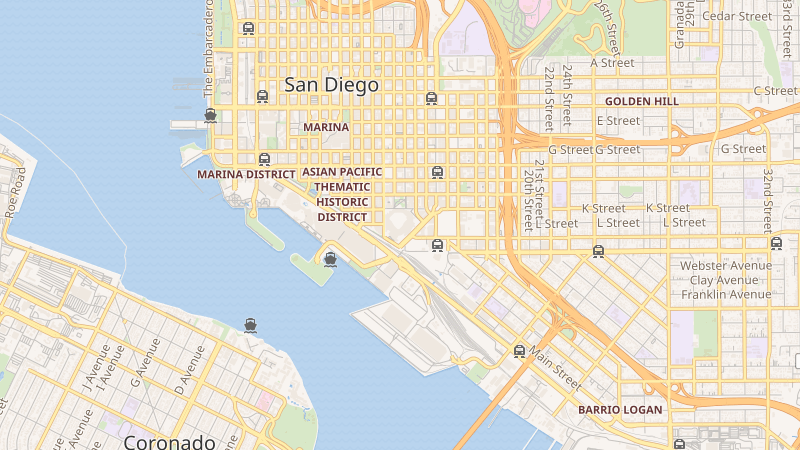
San Diego enters Tuesday's Wild Card opener as the four seed hosting the five seed, with a two-game regular-season edge over Chicago and Petco Park as the venue for every potential game. The surface logic is clean: home crowd, home conditions, Cubs traveling. But in a best-of-three playoff format specifically designed for volatility, home-field advantage has historically been one of the weaker predictors of advancement compared to pitching matchups and recent form. One poor outing from a starter can effectively end the series, regardless of seeding.
Chicago's eighty-nine-and-seventy-three record does not capture who the Cubs have been playing in September, nor how their rotation lines up entering the series. A Cubs squad on a hot streak with favorable pitching alignment could make two games in San Diego feel considerably less like an advantage than the seeding implies.
The broadcast arrangement adds another layer of complexity. With Peacock and NBCSN holding rights to Games 1 and 2, a significant share of the potential regional fan base either cannot easily access the games or will not encounter them through traditional channel-surfing. Reduced casual viewership does not directly affect on-field outcomes, but playoff atmosphere is partly self-generating — and fragmented distribution can limit the cultural and economic activation that surrounds a playoff run.
The steelman case for home-field mattering rests on a real foundation: October nights at Petco Park generate genuine crowd intensity, and the Padres' bullpen — which the regular-season numbers suggest is one of the team's strengths — may benefit from the micro-adjustments a home manager can make with crowd dynamics in real time. If Chicago's pitching staff carries exploitable vulnerabilities against left-handed hitters who can work the right-center gap, that advantage compounds at home with last at-bats.
The most concrete signal to watch Tuesday is the first three innings of Game 1. Postseason short series tend to be decided by early momentum. A Padres lead through three innings, with the home crowd fully activated, shapes a meaningfully different series than a Cubs lead entering the fourth. If Chicago takes Game 1 in San Diego, the home-field advantage narrative collapses in real time — regardless of what the seedings say.